- Home
- About Us
- Products
- News
- Blog
- Contact Us
Leave Your Message
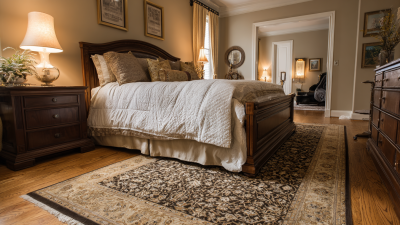
Bedroom Runner Rugs can make a narrow bedroom feel warmer without crowding the floor. Picture a soft strip beside the bed, cushioning bare feet on a cold morning. The right choice depends on more than color: measure the walking space, check the rug’s backing, and consider how easily its fibers release dust. Small details matter.
The broader market offers useful context, but not a bedroom-runner forecast. Grand View Research estimated the global carpets and rugs market at $51.42 billion in 2023, with projected growth of 4.2% annually from 2024 to 2030. That figure covers many rug types and settings; it does not prove that every style or price point is gaining demand. For shoppers, practical comparisons still matter more: wool can feel plush, while synthetic fibers often suit tighter budgets and busy rooms.
Design principles help, too. Textile artist and designer William Morris wrote, “Have nothing in your houses that you do not know to be useful, or believe to be beautiful.” This guide applies that idea to Bedroom Runner Rugs for varied styles and budgets, comparing materials, patterns, sizes, and care needs. A low-pile runner may clear a door more easily; a washable option may be more forgiving near a dressing area. Yet product labels do not tell the whole story. I would still check measurements at home—an unrolled rug can look surprisingly different from a small screen image.
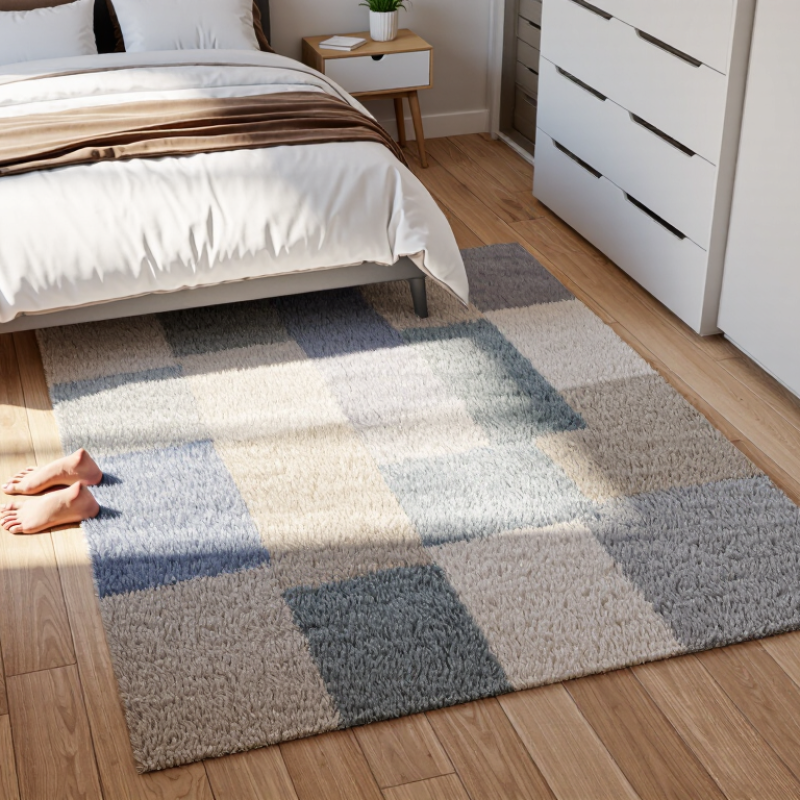
A bedroom runner rug is a long, narrow floor covering used to soften a walking path without covering the entire floor. It often sits beside a bed, along a dresser, or near a closet. The pile cushions bare feet, while the rug can help define a small area. Measure twice. A runner should not block doors or create a raised edge where people regularly walk.
Common sizes range from 2×6 to 3×10 feet, with width listed before length. A 2×6-foot runner can suit a compact bedside space, while a 2.5×8-foot option offers more coverage beside a larger bed. A 3×10-foot rug may work along a long bed or shared walkway, but room shape matters. Check the clear floor space, bed frame, and door swing before choosing. A few inches can change how the layout feels.
For daily use, consider how the rug will be cleaned and how its backing grips the floor. Low-pile surfaces are generally easier to vacuum and less likely to catch a door. Softer, thicker piles feel pleasant underfoot, though they may show dents from furniture. I have found that listed dimensions do not always match the usable area once a rug is placed. Leave visible floor around it when possible, and use a suitable nonslip pad on smooth flooring. Small rooms differ. A paper outline on the floor can help test the fit before buying.
A bedroom runner is a long, narrow rug designed to add a soft, practical path beside a bed, along a wall, or in a dressing area. The options below compare common sizes, materials, uses, care needs, and general price ranges.
| Style / Best For | Typical Size | Approx. Area | Common Materials | Where It Works | Typical Budget Range (USD) | Care Notes |
|---|---|---|---|---|---|---|
| Everyday flatweave Simple, low-profile look |
2 × 6 ft | 12 sq ft | Cotton, wool, or synthetic fibers | A short path beside a twin or full bed, or a narrow dressing area | $25–$120 | Low pile is generally easy to vacuum. Check the care label before washing. |
| Soft plush Comfort underfoot |
2 × 8 ft | 16 sq ft | Polyester, polypropylene, or wool | Along one side of a bed where a cushioned landing spot is wanted | $35–$180 | Vacuum gently; a rug pad can help limit slipping and protect the floor. |
| Natural-fiber texture Relaxed, organic interiors |
2.5 × 8 ft | 20 sq ft | Jute, sisal, or blended natural fibers | Beside a bed or in a low-spill dressing space | $50–$250 | Many natural-fiber rugs are sensitive to moisture; blot spills promptly and follow the maker’s instructions. |
| Traditional patterned Classic or layered rooms |
2.5 × 10 ft | 25 sq ft | Wool, cotton, or synthetic fibers | Along a longer bed or through a bedroom walkway | $60–$350 | Rotate periodically to even out wear; use cleaning methods appropriate to the fiber and dye. |
| Modern geometric Contemporary rooms |
3 × 8 ft | 24 sq ft | Polypropylene, polyester, cotton, or wool | Along the side of a queen bed or in a wider walk-through area | $45–$280 | Check pile height and door clearance; vacuum regularly to remove dust and grit. |
| Long bedside runner Extended coverage |
3 × 10 ft | 30 sq ft | Wool, cotton, or synthetic fibers | Beside a king bed or in a long bedroom passage | $75–$450 | Measure the walking area first. A properly sized rug pad can help keep the runner in place. |
Size and price guide: Runner dimensions and availability vary by retailer and manufacturer. Price ranges are broad estimates for rugs sold in the United States and can change with fiber, construction, pile, and size. Measure the available floor space before buying, and leave enough clearance for doors and furniture.