Top Bedroom Fur Carpet Trends for Global Buyers in 2026?
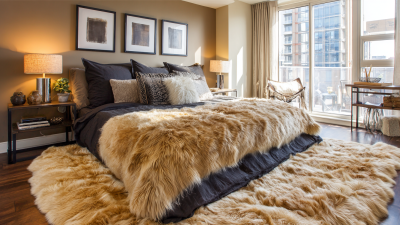
As we look towards 2026, the "Bedroom Fur Carpet" industry continues to evolve, capturing the imagination of global buyers. Renowned interior designer Grace Thompson emphasizes its growing importance, stating, "A fur carpet not only elevates style but also adds warmth to any bedroom." This underscores the trend of blending comfort with aesthetics in bedroom design.
In today’s market, consumers are increasingly seeking unique materials. The diversity in colors, textures, and styles of bedroom fur carpets reflects personal identity. Many buyers are drawn to sustainable options, which invoke a sense of responsibility. However, navigating this variety can be overwhelming for some.
The challenge lies in finding the right balance between luxury and practicality. While fur carpets can enhance visual appeal, they also require care. With innovation at play, brands are responding to consumer needs while maintaining quality. As we explore these trends, understanding their implications will be key for future buyers.
Emerging Color Palettes for Bedroom Fur Carpets in 2026
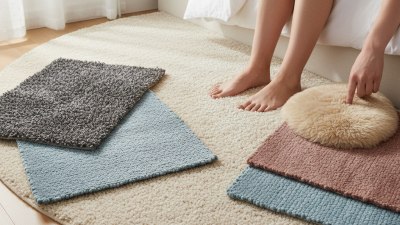
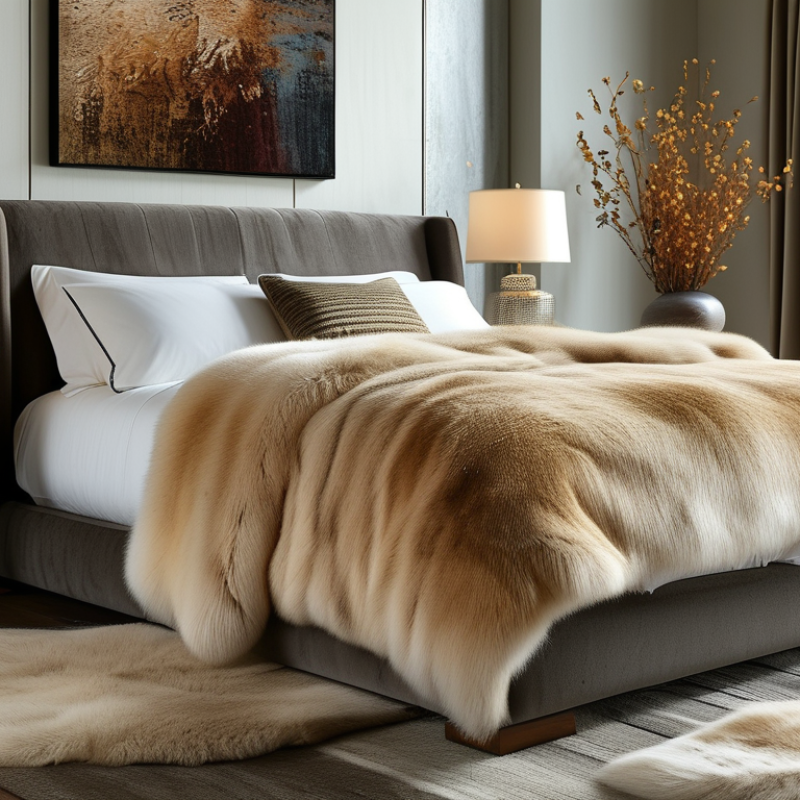
As we approach 2026, the trends for bedroom fur carpets are shifting dramatically. Emerging color palettes play a critical role in this evolution. Rich, earthy tones are taking center stage, reflecting a broader desire for comfort and warmth in home decor. Shades like terracotta, olive green, and muted browns are gaining traction. These hues create a cozy sanctuary, aligning with research from the Global Color Forecast, which highlights that 65% of consumers are gravitating toward nature-inspired palettes.
Furthermore, the market’s dynamics are shifting toward sustainability. Reports indicate that 70% of buyers prefer eco-friendly materials in their carpets. This rising concern leads to the popularity of natural dyes in fur carpets. Expect to see products using organic colors derived from plants more frequently. Subtle tones such as soft beige or pale sage are emerging favorites, resonating well with eco-conscious consumers.
However, the transition to these new trends is not without challenges. Design innovations must balance aesthetics with practicality. Not all manufacturers can meet the sustainable demand while maintaining luxurious textures. This dilemma often leads to inconsistencies in product offerings. Buyers might find it difficult to choose between a carpet that is visually appealing and one that meets their ethical standards.
Eco-Friendly Materials and Sustainable Practices in Fur Carpets
As we approach 2026, the demand for eco-friendly materials in bedroom fur carpets is rising. Buyers are increasingly aware of the environmental impact of their choices. Sustainable practices are becoming the norm, not just an option. Crafting carpets from ethically sourced fur minimizes waste and promotes responsible production.
Many manufacturers are now using recycled fibers alongside natural fur. This fusion creates stunning designs while reducing environmental footprints. Soft textures and rich colors enhance the aesthetic of any bedroom. However, consumers should remain cautious. Not all claims of sustainability are credible. Research the sourcing and manufacturing processes before making a purchase.
Tips: Look for certifications that validate eco-friendly practices. Engage with community discussions about sustainable furniture. Consider investing in timeless designs that withstand trends and remain beautiful for years. These small steps can lead to significant positive impacts on both the environment and your living space.
Top Bedroom Fur Carpet Trends for Global Buyers in 2026
Innovative Designs and Patterns Shaping Bedroom Trends for 2026
In 2026, bedroom fur carpets are evolving with innovative designs and patterns that reflect individual style.
The movement towards natural fibers is particularly notable. Many buyers are opting for carpets that are not only stylish but also environmentally friendly.
Textures play a crucial role in this shift, adding warmth and comfort to spaces.
Patterns have become bolder, with geometric shapes and abstract designs gaining popularity. These elements create a sense of uniqueness and personal expression in each bedroom.
For instance, a simple, furry rug can completely transform the aesthetic of a room. Colors, too, are shifting. Deep earthy tones are becoming more common, providing a grounding effect in modern homes.
Yet, the choice of carpet should be carefully considered. While lavish designs draw attention, practicality is key. High-maintenance carpets can become a source of frustration.
Reflecting on personal needs is essential. Balancing style with functionality will ensure that buyers make the right choice for their spaces.
Cultural Influences on Fur Carpet Styles in Global Markets
Cultural influences shape fur carpet styles around the world. In Asia, intricate patterns often reflect historical motifs. These designs tell stories of tradition and craftsmanship. In contrast, Western markets lean towards minimalist styles. Here, the focus is on clean lines and neutral tones.
Tips: Consider how your environment influences your choice. A vibrant culture may inspire bold patterns, while a serene setting might call for soft hues.
In Middle Eastern cultures, luxurious textures are prominent. Thick, plush carpets invite warmth. Meanwhile, Scandinavian designs favor functionality. The aesthetics emphasize simplicity and natural materials. While exploring these influences, be mindful of sustainability. Authentic materials and ethical sourcing matter more than ever.
Tips: Research local artisans to find unique pieces. Not only do they enhance your space, but they also support traditional craftsmanship. Be open to imperfections; these often make the carpet uniquely yours.
Top Bedroom Fur Carpet Trends for Global Buyers in 2026
| Region |
Popular Colors |
Material Preferences |
Design Styles |
Cultural Influences |
| North America |
Neutral Tones, Earthy Colors |
Synthetic Fur, Wool-blends |
Minimalist, Scandinavian |
Sustainability, Eco-conscious Living |
| Europe |
Deep Blues, Greens |
Authentic Fur, Blended Materials |
Art Deco, Vintage |
Historical Patterns, Regional Craftsmanship |
| Asia |
Vibrant Colors, Pastels |
Silk-blends, Faux Fur |
Traditional, Modern Fusion |
Cultural Heritage, Art Forms |
| Oceania |
Natural Hues, Coral Tones |
Ethically Sourced Fur |
Coastal, Rustic |
Connection to Nature, Indigenous Patterns |
| Latin America |
Warm Tones, Earthy Colors |
Mixed Fabrics, Eco-friendly Options |
Bohemian, Artistic |
Cultural Expressions, Folk Art |
Integration of Technology in Fur Carpet Manufacturing and Design
As we approach 2026, the integration of technology in fur carpet manufacturing and design becomes increasingly significant. Modern techniques allow for more sustainable processes. Digital tools enhance the precision of patterns and textures, resulting in carpets that perfectly fit diverse interiors. High-tech machines enable intricate designs that were previously unimaginable.
Consider the possibility of using eco-friendly dyes. These innovations not only improve appearance but also reduce environmental impact. Manufacturers are experimenting with smart fabrics that could monitor indoor air quality. This trend adds a new layer of functionality to the aesthetics of fur carpets.
Tips for choosing fur carpets include examining their production processes. Look for transparent sourcing of materials. Emphasizing craftsmanship ensures you're supporting skilled artisans. Explore carpets that incorporate modern technology, as these often yield unique designs that stand out. Always prioritize quality over quantity to achieve a lasting investment.