Top Benefits of Choosing Rug Wool for Your Home Decor?
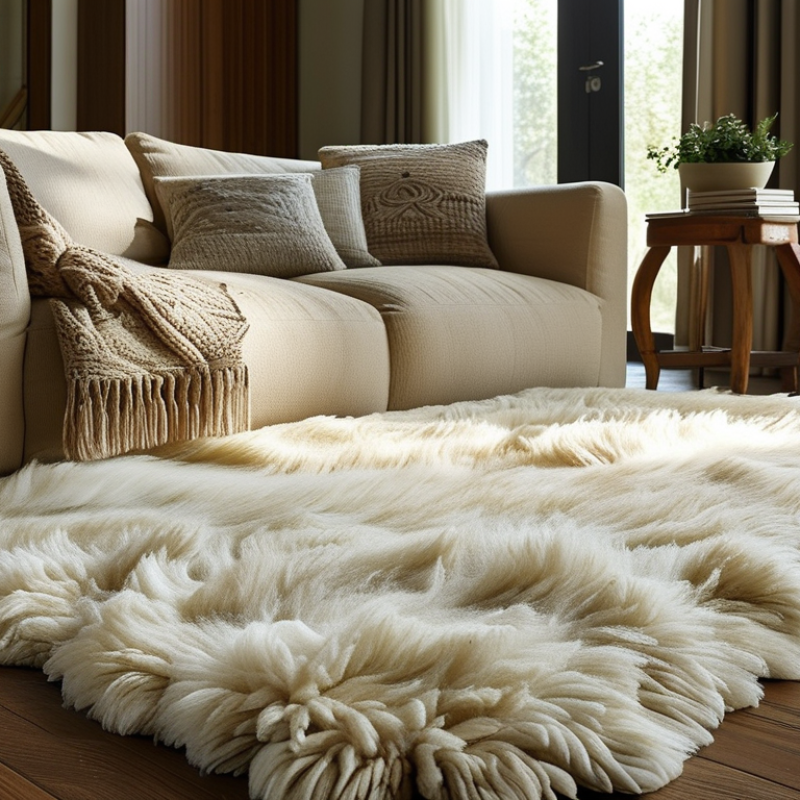
When it comes to home decor, choosing the right materials is essential. Rug wool stands out as an excellent choice. Its natural fibers offer both beauty and practicality. Many homeowners appreciate the warmth and texture that rug wool can bring to their spaces.
Wool rugs have gained popularity for various reasons. They are durable and can withstand heavy foot traffic. The fibers resist stains and are easier to clean compared to synthetic options. Not only do they add style, but they also contribute to better indoor air quality.
However, some may overlook the potential downsides of rug wool. It can be more expensive initially, which might deter budget-conscious buyers. Wool also requires specific care to maintain its beauty over time. Understanding these factors is crucial in making an informed decision about rug wool for home decor. As you consider different options, reflect on how rug wool might fit your lifestyle and aesthetic preferences.
Advantages of Rug Wool in Home Decor
Rug wool offers unique advantages in home decor. Its natural fibers create a soft, luxurious feel underfoot. Wool is known for its ability to regulate temperature. It remains warm in winter and cool in summer, enhancing comfort in any room.
The durability of wool rugs is another significant benefit. They withstand heavy foot traffic, making them ideal for busy households. Unlike synthetic fibers, wool retains its shape and color over time. It resists stains and dirt, requiring less frequent cleaning. However, proper maintenance is essential to retain its beauty.
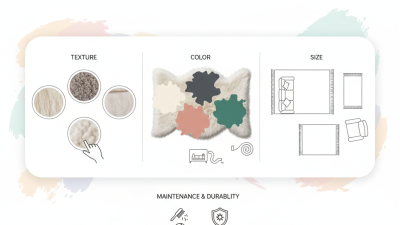
Wool rugs also contribute to a healthier indoor environment. They naturally absorb moisture, which helps control humidity levels. This feature reduces allergens and improves air quality. The look of a wool rug can vary greatly. From contemporary designs to rustic patterns, there’s a style for every taste. Yet, choosing the right one can be challenging; it’s key to consider your space and color scheme carefully.
Top Benefits of Choosing Rug Wool for Your Home Decor
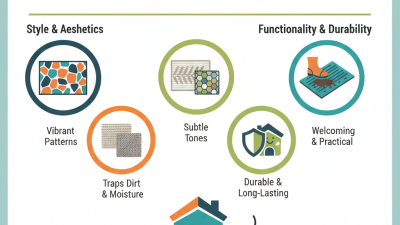
This chart displays the top benefits of choosing wool rugs for home decor. As illustrated, wool rugs stand out for their durability and comfort, making them an excellent choice for enhancing any living space.
Durability and Longevity of Wool Rugs
When considering home decor, durability is key. Wool rugs are known for their long-lasting nature. They can endure high foot traffic without showing significant wear. This is particularly beneficial in busy households.
Wool fibers are naturally resilient. They can bounce back after being compressed, maintaining their shape over time.
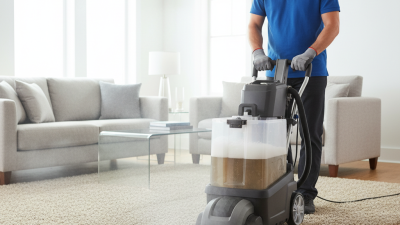
Wool rugs also resist staining better than many materials. Their natural oils repel dirt and spills, making clean-up easier. However, proper care is crucial. Regular vacuuming can help maintain their appearance. It’s also important to address spills promptly to prevent lasting stains. Despite their durability, wool rugs are not immune to damage. Heavy furniture can leave marks. This can be a reminder to rearrange furniture for even wear.
Wool also offers thermal insulation. It helps to keep spaces warm in colder months. This benefit can lead to energy savings. However, in humid environments, wool rugs may absorb moisture. This could lead to mildew if not monitored. Balancing care with its strengths can enhance the longevity of your wool rugs.
Natural Insulation and Comfort Provided by Wool
Wool rugs provide natural insulation that enhances home comfort. The fibers trap air, creating a barrier against cold or heat. This insulation helps keep your home warm in winter and cool in summer. Wool rugs also absorb sound, reducing noise levels. This feature is particularly beneficial in busy households or apartments.
Comfort is another significant advantage of wool. The soft texture feels great underfoot, making it inviting. Walking on a wool rug gives a sense of warmth and coziness. Children and pets enjoy the plush surface, adding a layer of safety. However, maintaining these rugs can be a challenge. Regular cleaning and care are necessary to preserve their quality.
Wool's moisture-wicking properties contribute to a healthy indoor environment. It can absorb up to 30% of its weight in moisture without feeling wet. This trait helps regulate humidity levels in your home. Although wool is naturally resistant to stains and odors, spills should be addressed promptly. Understanding its benefits can lead to thoughtful home decor choices.
Aesthetic Appeal: Variety of Wool Rug Designs
When it comes to home decor, wool rugs offer an impressive aesthetic appeal. They come in various designs, patterns, and colors, catering to diverse tastes. According to the 2022 Global Carpet Market Report, the demand for wool rugs is on the rise, driven by their warmth and texture. Homeowners often appreciate how these rugs can transform a room's atmosphere, adding a cozy and inviting touch.
The versatility of wool rugs is noteworthy. For example, a hand-woven Persian rug can bring elegance to a formal living room, while a contemporary geometric design enhances a modern space. A study by the International Journal of Design and Applied Arts emphasizes that textiles significantly affect interior design. Wool rugs blend artistry with functionality, making them ideal for various settings.
However, not all wool rugs are created equal. Some may shed, and others can be costly. Potential buyers should research and consider their needs carefully. A wool rug adds beauty but requires a thoughtful approach. Balancing style and practicality is key when choosing a piece for your home.
Sustainability and Eco-Friendliness of Wool as a Material
Wool is a remarkable material for home decor, particularly for rugs. It is sustainable and environmentally friendly, making it a favored choice for eco-conscious consumers. Wool production has a lower carbon footprint compared to synthetic fibers. This natural material is biodegradable, reducing landfill waste. When wool rugs reach the end of their life, they decompose instead of sitting in a landfill for decades.
Caring for wool rugs also supports eco-friendliness. They require less frequent cleaning than synthetic alternatives. A simple vacuum or occasional professional cleaning suffices. This reduces the need for harsh chemicals often used in synthetic rug upkeep. Furthermore, wool is naturally resistant to stains and spills, meaning fewer resources are needed for maintenance.
Despite these benefits, some may find wool rugs can be more prone to moth damage. Moths are a concern, but proper care can prevent this issue. Regular vacuuming and using natural repellents can mitigate the risk. Balancing the advantages of wool with its challenges encourages thoughtful home decor choices. It's essential to consider not just aesthetics, but also the ecological impact of our materials.