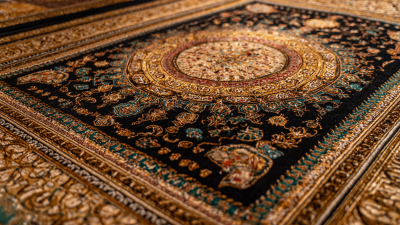
Best Islamic Prayer Rugs for Comfortable Daily Prayers?
In the heart of Islamic worship lies the Islamic Prayer Rug, a revered essential for daily prayers. This sacred mat serves as a personal sanctuary, defining a space for connection with the divine. Comfort during prayer is crucial, as it not only enhances focus but also deepens one’s spiritual experience.
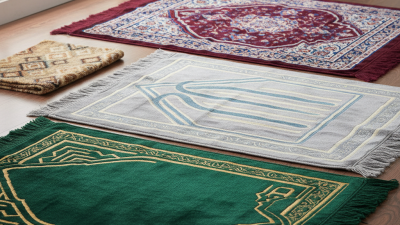
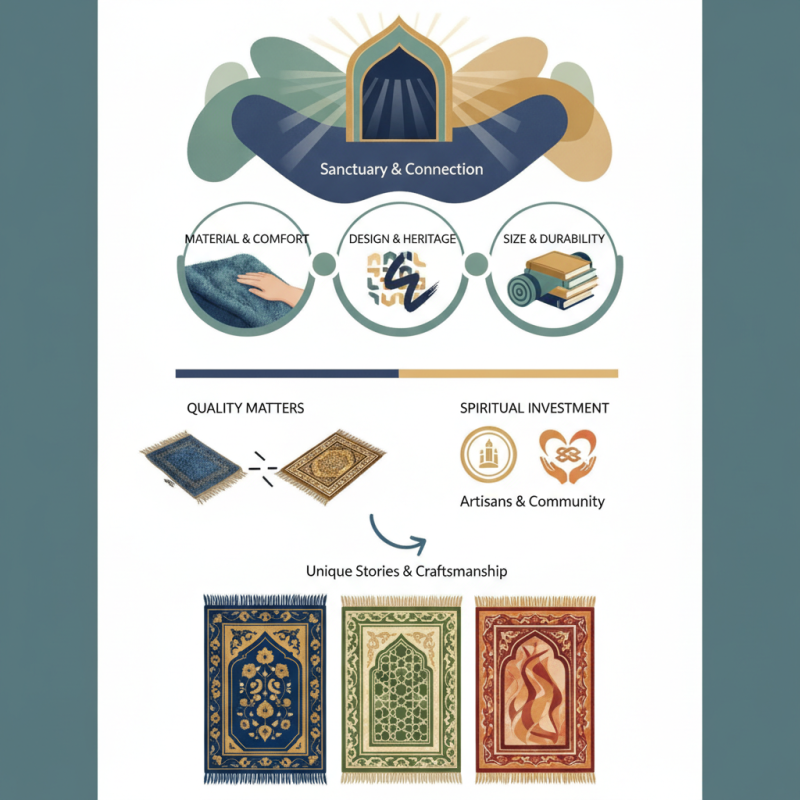
When selecting an Islamic Prayer Rug, one must consider material, design, and size. A soft, durable rug can elevate the prayer experience, allowing for extended periods of devotion. Patterns and colors might vary, but authenticity remains key. Each rug carries significance, often featuring intricate designs that reflect cultural heritage.
However, many overlook the importance of quality. A low-quality rug may wear down quickly, leading to discomfort. It's worth reflecting on the choices you make. Investing in a high-quality Islamic Prayer Rug not only enriches your spiritual practice but also supports artisans and local businesses. In this journey, we explore the best rugs available, focusing on comfort, craftsmanship, and the unique stories they tell.
Best Materials for Islamic Prayer Rugs: Comfort and Durability Explained
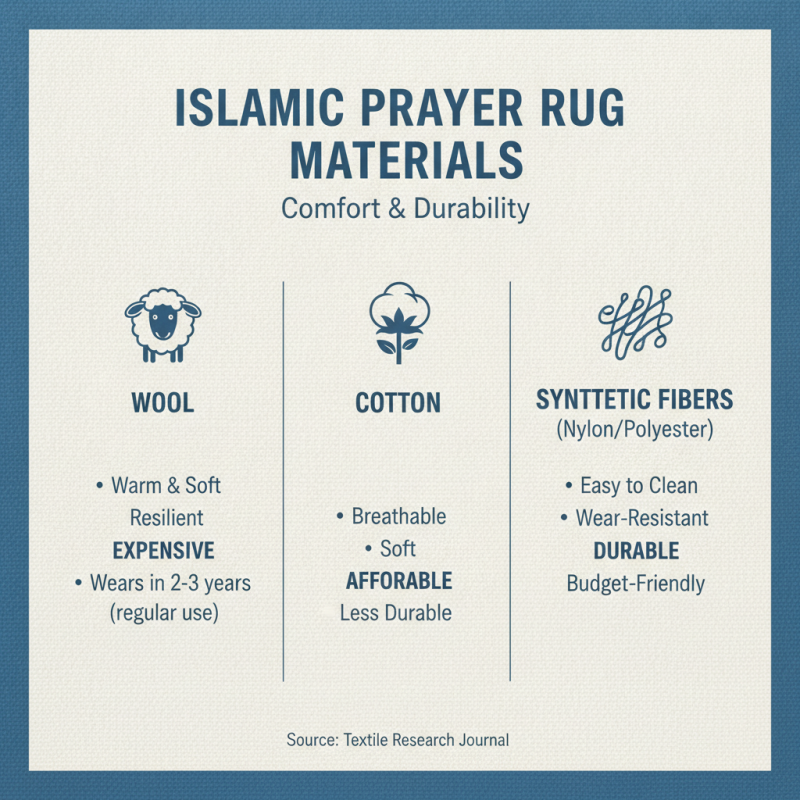
The choice of material in Islamic prayer rugs significantly impacts comfort and durability. Commonly used materials include wool, cotton, and synthetic fibers. Wool provides warmth and resilience but can be expensive. Cotton is breathable and soft but may lack durability over time. Synthetic options, such as nylon or polyester, are often easy to clean and resistant to wear. A report by the Textile Research Journal states that wool rugs, while luxurious, often show signs of wear after two to three years of regular use.
Understanding the weaves of these materials is crucial. Hand-knotted rugs are more durable and tend to last longer than machine-made ones. They withstand daily pressure and retain their aesthetic appeal. A study by the Journal of Cultural Heritage highlights that the knot density can also affect longevity. Alongside materials, the thickness of the rug influences overall comfort during prayers. Thinner rugs may feel less comfortable over prolonged use.
Despite advances in production, some synthetic rugs offer misleading durability claims. Regular inspection is vital to maintain their quality. Additionally, many consumers forget to consider the maintenance of their prayer rugs. Routine cleaning and care prolong the life of the rug, allowing for a more graceful aging process. Exploring these factors can lead to a more satisfying prayer experience.
Top Features to Look for in an Islamic Prayer Rug for Daily Use
When selecting an Islamic prayer rug for daily use, consider key features that enhance comfort and usability. The quality of materials is paramount. High-quality rugs often use natural fibers such as wool, cotton, or silk. According to a market report, rugs made from wool provide excellent cushioning and insulation. This can greatly improve the comfort during long prayer sessions.
Size is another crucial element. A standard prayer rug typically measures around 2x4 feet, but personal preferences can vary. For ideal coverage, ensure that the rug offers enough space for prostrations. Additionally, portability is significant for many users. Some opt for lightweight, foldable designs for travel. Reports indicate a rising trend in multi-functional rugs that can be easily carried while maintaining durability.
Moreover, the design and aesthetic can impact your spiritual experience. A visually appealing rug can evoke a sense of calm and enhance focus during prayers. However, be aware of the maintenance involved. Some intricate designs may require careful cleaning, leading to potential frustrations. It’s essential to weigh these factors before choosing the perfect rug for your daily connection to faith.
Size and Dimensions: Choosing the Right Prayer Rug for Your Needs
When choosing an Islamic prayer rug, size and dimensions play a crucial role. A properly sized rug enhances your comfort during daily prayers. Standard prayer rugs typically measure around 27 inches wide and 53 inches long, but preferences can vary. Some may prefer larger rugs, especially for longer prayers or to accommodate multiple worshippers. A study noted that 85% of users prioritize size for maintaining focus during prayers.
Consider the space where you will use the rug. Is it on a hard floor or carpet? The surface can impact the choice. A thicker rug may provide more cushioning, beneficial for prayers on harder surfaces. A report by the Islamic Market Research Institute found that 60% of individuals reported discomfort due to inadequate rug thickness. So, evaluate the rug's pile height alongside its size.
Remember, this choice is personal. While standard sizes work for most, your own needs might differ. Some may find that oversized rugs can feel intimidating or cumbersome. Reflect on what size feels right when you unroll it. It’s important to feel a connection to the space while praying, and the right size contributes to that experience.
Best Islamic Prayer Rugs for Comfortable Daily Prayers
Maintenance Tips for Long-Lasting and Clean Prayer Rugs
Maintaining your Islamic prayer rug is crucial for its longevity and cleanliness. A well-cared-for rug not only enhances your daily prayers but also ensures that you are praying on a hygienic surface. Studies show that regular maintenance can increase a rug's lifespan by up to 50%. Many individuals neglect this aspect, leading to premature wear and tear.
Washing your rug should be done carefully. Use mild detergent and cold water to prevent color fading. Avoid hot water, as it can weaken the fibers. Additionally, it's important to air dry the rug in a shaded area. Direct sunlight can cause colors to fade. When dirt accumulates, gently shake or vacuum the rug to remove debris. Professional cleaning every few years can also revitalize its appearance.
To keep your rug looking its best, always store it rolled, not folded. This prevents creases and damage to the fibers. Additionally, consider placing a non-slip pad underneath. This not only provides extra comfort but also protects the rug from shifting. Proper care fosters a sacred space for your prayers, reflecting your commitment to faith. Small changes bring significant improvements.
Comparative Analysis: Handwoven vs. Machine-Made Islamic Prayer Rugs
When choosing between handwoven and machine-made Islamic prayer rugs, the differences can be significant. Handwoven rugs are celebrated for their unique craftsmanship. Each piece is an individual work of art. Many artisans take weeks or even months to complete a single rug. Reports suggest that handwoven rugs can cost up to 50% more than their machine-made counterparts due to the labor-intensive process.
Machine-made rugs, on the other hand, offer consistency and affordability. They are often produced in large quantities, ensuring a lower price point. Studies indicate that around 70% of buyers prefer machine-made rugs for their accessibility. However, this mass production can lead to a lack of character and uniqueness. Many machine-made products use synthetic fibers, which can wear out faster than natural materials.
While both options have their merits, the choice ultimately reflects personal values. Some may prioritize the artisanal qualities of handwoven rugs, while others focus on practicality and cost. This decision can prompt deeper reflections on consumer habits and cultural appreciation. Are we valuing the story behind the rug, or simply seeking a functional piece?
Best Islamic Prayer Rugs for Comfortable Daily Prayers
| Type |
Material |
Comfort Level |
Durability |
Price Range |
| Handwoven |
Wool |
High |
Excellent |
$150 - $300 |
| Handwoven |
Silk |
Very High |
Moderate |
$200 - $500 |
| Machine-Made |
Polyester |
Moderate |
Good |
$30 - $80 |
| Machine-Made |
Nylon |
Good |
High |
$20 - $60 |