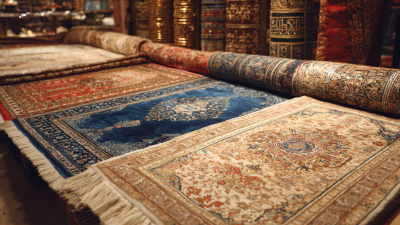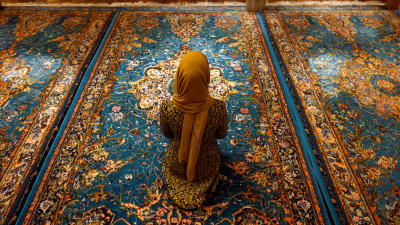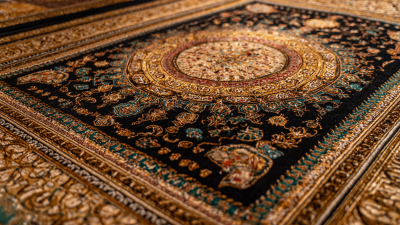
Choosing the perfect Islamic Prayer Rug can significantly enhance the spiritual experience of daily prayers. The global Islamic prayer rug market has seen substantial growth, with estimates indicating a market value exceeding $2 billion by 2025, driven by increasing awareness of Islamic practices and the cultural significance of prayer among Muslims. An ideal prayer rug not only serves a functional purpose but also embodies aesthetic and cultural elements that resonate with individual preferences and religious values.
When selecting an Islamic Prayer Rug, it is essential to consider factors such as material, design, and size. Reports suggest that the majority of consumers prioritize durability and comfort, with materials ranging from cotton to silk being preferred based on climate and personal comfort. Additionally, designs vary widely, with traditional motifs and modern patterns appealing to diverse tastes. Understanding these preferences is crucial, as a well-chosen prayer rug can foster a deeper connection during prayers and enhance one's overall worship experience. By taking into account the key aspects that define a high-quality Islamic Prayer Rug, individuals can make informed decisions that align with both their spiritual needs and stylistic inclinations.
When selecting an Islamic prayer rug, the choice of material plays a critical role in both the aesthetic and practical aspects of your prayer experience. Common materials for prayer rugs include wool, cotton, polyester, and silk, each offering distinct advantages and drawbacks. According to a report from the International Textile Market Association, wool rugs possess natural resilience and warmth, making them ideal for colder climates. They are also durable, standing up to heavy use, which is essential for daily prayers.
Cotton rugs, on the other hand, are known for their breathability and softness. A study conducted by the Fabric Research Journal highlighted that cotton prayer rugs tend to absorb moisture effectively, making them a preferred choice in warmer regions. Polyester offers affordability and stain resistance, which can be crucial for households with high foot traffic. However, those seeking a luxurious feel may gravitate toward silk, despite its higher cost and less durability.
Ultimately, your choice should reflect personal preference, budget considerations, and the specific conditions of use. As per market trends, prayer rugs made from natural fibers like wool and cotton are experiencing a resurgence in popularity due to their comfort and eco-friendliness, indicating a shift towards more sustainable consumer habits within the Islamic community.
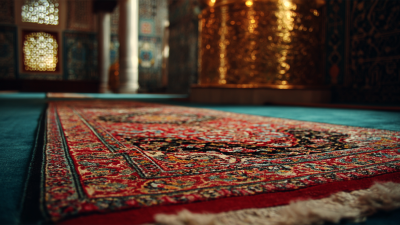
When choosing the perfect Islamic prayer rug, understanding the different sizes and their usage is crucial. Prayer rugs come in various dimensions, typically ranging from small travel sizes, around 24 by 48 inches, to larger options measuring 30 by 78 inches and beyond. The size you choose often depends on your personal preferences, the available space for prayers, and the environments in which you plan to use the rug. A compact travel prayer rug may be ideal for those who frequently pray on the go, while a larger rug can provide a more comfortable experience in a dedicated prayer space at home.
In addition to personal preference, factors such as the type of surfaces where you pray can also influence your choice. For example, if you often pray on hard floors, a thicker rug may provide additional comfort and support. On the other hand, if you primarily pray in more casual or outdoor settings, a lightweight, easily portable rug might be more suitable. Understanding the practical applications of different sizes helps ensure that your choice aligns with your lifestyle and enhances your prayer experience.
| Size | Dimensions (cm) | Best For | Material | Usage |
|---|---|---|---|---|
| Small | 60 x 90 | Children or Travel | Cotton, Polyester | Personal use, easy to carry |
| Medium | 70 x 120 | Adults, Family use | Wool, Cotton | Home or mosque |
| Large | 80 x 150 | Group prayers or spacious areas | Silk, Quality Fabrics | Use in homes or large gatherings |
| Extra Large | 100 x 200 | Families or larger groups | Mixed materials | Suitable for large family prayers |
When selecting an Islamic prayer rug, the designs and patterns play a crucial role in ensuring that the rug not only meets your spiritual needs but also complements your personal aesthetic. Consider the overall style of your home or prayer space; a rug with intricate geometric designs may align beautifully with modern decor, while a traditional floral pattern may resonate more with classic interiors. Additionally, the color palette of the rug should reflect your preferences, as certain colors can evoke different moods and energies. Soft, calming tones might enhance your focus during prayer, while vibrant hues can uplift your spirit.
Another essential aspect to consider is the symbolism behind the designs and patterns. Many Islamic prayer rugs feature motifs that are rich in cultural significance, such as arabesques or calligraphic elements. Understanding the context and meaning of these designs can deepen your connection to the rug and enhance your prayer experience. Furthermore, ensure that the rug's size and shape align with your space and comfort needs; a larger rug may provide more room to perform movements, while a smaller one may be more practical for those with limited space. By carefully considering these design elements, you can choose a prayer rug that not only serves its purpose but also enriches your spiritual environment.
When choosing an Islamic prayer rug, understanding the difference between handmade and machine-made rugs is essential for evaluating their quality. Handmade rugs are often woven using traditional techniques, which can result in unique patterns and superior craftsmanship. Each rug carries the artisan's touch, making it a work of art. On the other hand, machine-made rugs may offer consistency in pattern and affordability, but they can lack the individuality and cultural significance that handmade rugs provide.
Tips for selecting the right rug include checking the material: natural fibers like wool or cotton tend to be more durable and comfortable. Additionally, inspect the knots; a high knot count typically indicates a finer quality rug. Pay attention to the design and colors that resonate with you, as your prayer rug should inspire peace and focus during your prayers. Lastly, consider the size that fits your space, ensuring it accommodates your movements comfortably.
By weighing the pros and cons of handmade versus machine-made options, you can find a prayer rug that not only meets your functional needs but also enhances your spiritual experience. Remember, the right rug can serve as a beautiful reminder of your faith, so take the time to choose wisely.
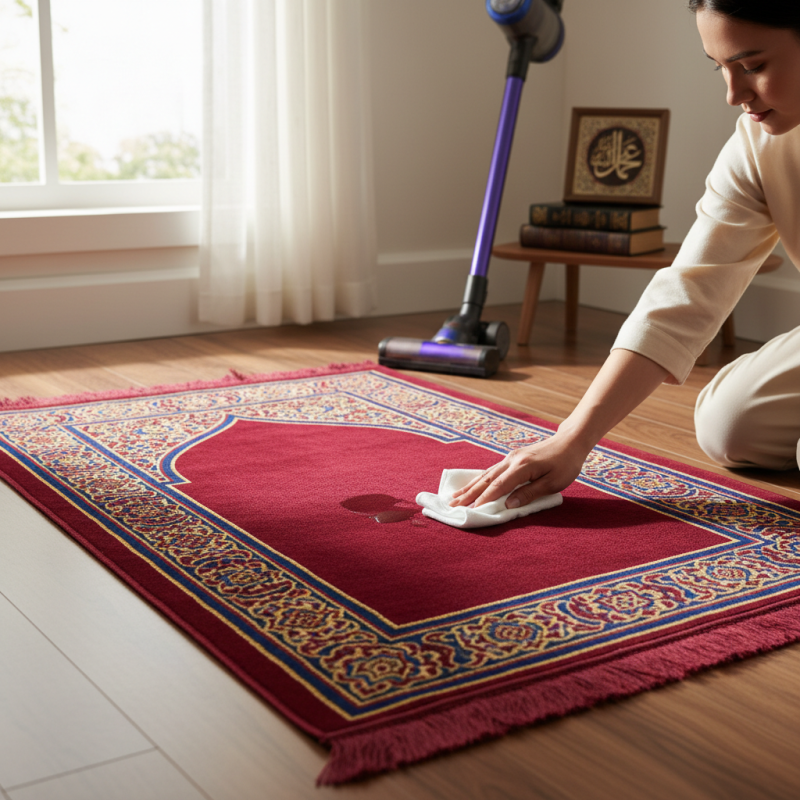
Caring for your Islamic prayer rug is essential to ensure its longevity and to maintain its beauty. Regular maintenance can prevent wear and tear, keeping the fabric vibrant and the design intact. According to a report by the Islamic Textile Association, proper care can extend the life of a prayer rug by up to 50%. Routine cleaning is crucial; it is recommended to vacuum your rug weekly to remove dust and debris. When spills occur, a quick response with a damp cloth can help prevent stains.
For deeper cleaning, hand washing with mild detergent is advised, as machine washing can damage delicate fibers. Ensure you lay the rug flat to dry away from direct sunlight, which can fade colors over time. Another important tip is to rotate your rug periodically. This ensures even wear and allows for uniform fading, preserving its aesthetic appeal.
Additionally, storing your prayer rug properly when not in use can protect it from dirt and pests. Rolling the rug instead of folding it minimizes creasing, while placing a moth repellent sachet near stored rugs can prevent infestations. Consider these maintenance techniques to keep your prayer rug in pristine condition and enhance your spiritual experience.