How to Choose the Best Hotel Carpet for Comfort and Style
When it comes to creating an inviting atmosphere in a hotel, the choice of flooring can significantly influence both comfort and style. Among the various flooring options, hotel carpet remains a popular choice due to its ability to enhance the aesthetic appeal of any space while providing comfort underfoot. Selecting the right hotel carpet involves a careful consideration of factors such as durability, design, and maintenance, ensuring that it not only complements the overall theme of the hotel but also meets the practical needs of its guests.
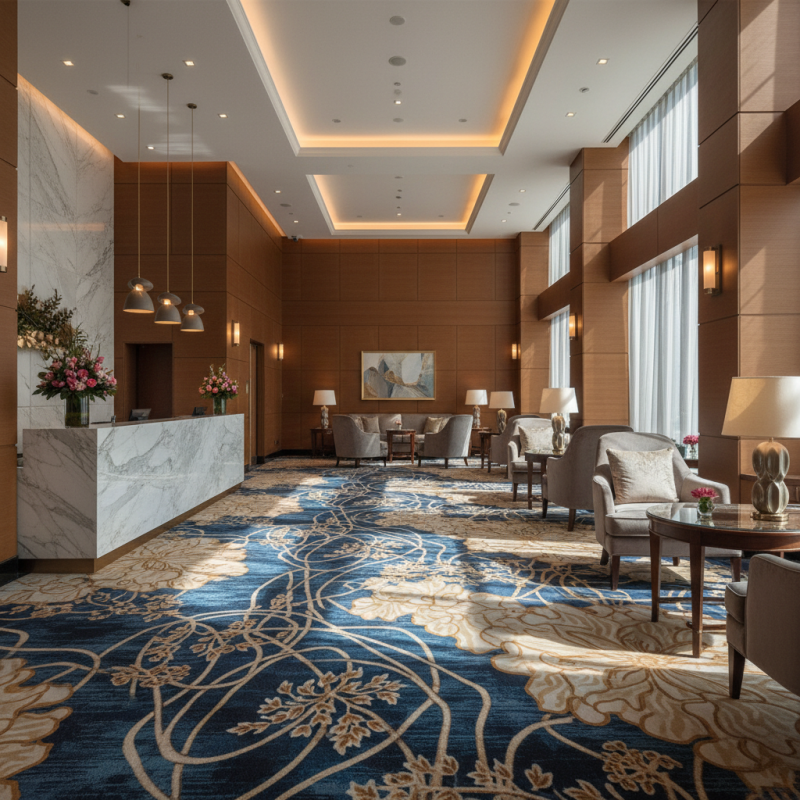
The ambiance of a hotel is often established from the moment guests step through the door, and the flooring plays a crucial role in that first impression. A well-chosen hotel carpet can add warmth and sophistication to lobbies, hallways, and guest rooms, while also helping to reduce noise levels and provide a sense of coziness. In this guide, we will explore the essential elements to consider when selecting the perfect hotel carpet, covering everything from material options and color schemes to patterns and textures that can elevate the overall guest experience. By making informed decisions in these areas, hotel owners can ensure their spaces are both aesthetically pleasing and comfortable for all who visit.
Factors to Consider When Choosing Hotel Carpet for Comfort
Choosing the right carpet for a hotel is essential for ensuring both
comfort and aesthetic appeal. One of the primary factors to consider
is the material of the carpet. Natural fibers, such as wool, offer a
luxurious feel and durability, perfect for high-traffic areas. In contrast, synthetic fibers, like nylon or polyester,
provide stain resistance and easier maintenance, making them ideal for settings
where spills and heavy use are common. Selecting the right material not only enhances guest comfort but also
contributes to the overall longevity of the hotel’s flooring investments.
Another important aspect to consider is the carpet's thickness and padding. A thicker carpet,
coupled with ample padding, can significantly enhance comfort underfoot, making it inviting for guests. Additionally,
padding improves insulation and noise reduction, which can be particularly beneficial in busy environments.
Furthermore, the carpet's design and color should harmonize with the hotel's interior
décor while also being practical. Patterns can help hide stains and wear, while
color choices can influence the mood of the space. Combining these elements
thoughtfully will ensure that the selected carpet not only meets functional needs but also elevates the
overall ambiance of the hotel.
Materials Used in Hotel Carpets: Comfort vs Durability
When selecting the best carpet for hotels, understanding the balance between comfort and durability is crucial. Hotel carpets must not only provide a welcoming atmosphere for guests but also withstand heavy foot traffic. Choosing the right materials can significantly impact both the feel of the carpet and its longevity. Common materials include nylon, polyester, and wool, each offering distinct advantages. Nylon, for example, is known for its resilience and stain resistance, making it a popular choice for high-traffic areas. Polyester offers a softer feel and is budget-friendly, while wool brings a luxurious touch but requires more maintenance.
Tips for selecting the right carpet materials include considering the location and purpose of the area. For example, areas prone to spills, such as dining spaces or lobbies, may benefit from carpets with stain-resistant treatments. Additionally, think about sound absorption; carpets with a dense pile can minimize noise, enhancing the overall guest experience. Lastly, always check for warranties and certifications to ensure that the material meets industry standards for durability and comfort, allowing you to create a stylish yet practical environment for all guests.
Hotel Carpet Materials: Comfort vs Durability
Design Styles for Hotel Carpets: Balancing Aesthetics and Functionality
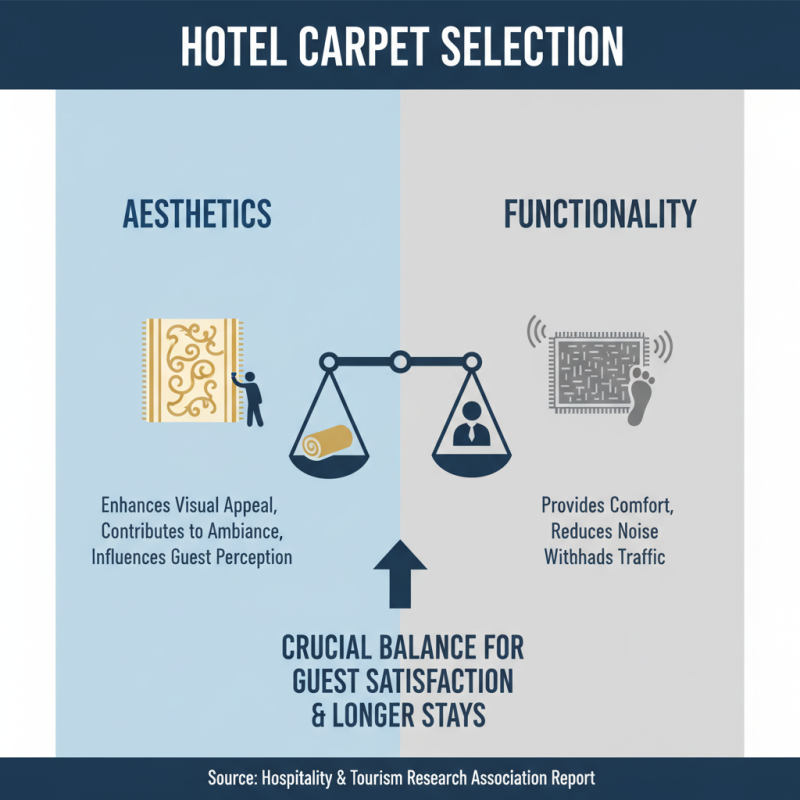
When selecting the right carpet for hotel environments, striking a balance between aesthetics and functionality is crucial. According to a report by the Hospitality and Tourism Research Association, hotel design significantly influences guest satisfaction, with 75% of travelers rating a hotel's ambiance as a key factor in their experience. This insight reinforces the importance of choosing a carpet that not only enhances the visual appeal but also promotes comfort—a vital element in encouraging longer stays and repeat visits.
Design styles for hotel carpets can vary widely, from plush carpets that provide exceptional underfoot comfort to more structured options that withstand high foot traffic. The International Interior Design Association indicates that commercial carpets need to meet specific durability standards; for instance, carpets with a minimum of 28 oz. face weight are recommended for high-traffic areas to ensure longevity. Additionally, color and pattern play a critical role in establishing a theme; neutral tones can create a calming environment, while bold patterns may add a touch of excitement and intrigue, making the hotel memorable.
Incorporating sustainable flooring options can further enhance a hotel's appeal. A study by the Sustainable Furnishings Council found that 80% of consumers prefer eco-friendly materials. By selecting carpets made from recycled fibers or natural materials, hotels can not only reduce their environmental impact but also attract the growing demographic of eco-conscious travelers. This strategic approach to hotel carpet design, therefore, becomes a vital consideration in achieving both aesthetic and functional goals in the hospitality industry.
Maintenance Requirements for Different Types of Hotel Carpets
When it comes to selecting the best hotel carpet, understanding the maintenance requirements of different types is crucial for ensuring longevity and preserving aesthetics. According to a report by the International Hospitality Institute, carpets account for around 30% of a hotel’s overall design impact, but they also require varying levels of upkeep depending on their material and construction. For instance, synthetic carpets, such as nylon or polyester, are known for their durability and stain resistance, often requiring less frequent deep cleaning compared to natural fiber carpets like wool. Regular maintenance practices can include vacuuming, spot cleaning, and periodic deep cleaning, ensuring that synthetic options remain easier to maintain over time.
On the other hand, while natural fiber carpets can bring unparalleled warmth and elegance to hotel interiors, they can be more demanding in terms of care. A study by the Carpet and Rug Institute indicates that natural fiber carpets generally need specialized cleaning and may also require protection against moisture and UV damage. Regular maintenance for these carpets often includes gentle cleaning solutions and professional services to avoid wear and discoloration. Understanding these maintenance nuances is essential for hotel managers to make informed choices that strike a balance between comfort, style, and practical upkeep, ultimately contributing to guest satisfaction.
How to Choose the Best Hotel Carpet for Comfort and Style - Maintenance Requirements for Different Types of Hotel Carpets
| Carpet Type |
Comfort Level |
Style Options |
Durability |
Maintenance Requirements |
| Nylon Carpet |
High |
Wide variety of colors and patterns |
Very durable |
Vacuum regularly; professional cleaning every 12-18 months |
| Polyester Carpet |
Moderate |
Rich colors; modern designs |
Moderately durable |
Vacuum frequently; spot clean; steam clean as needed |
| Wool Carpet |
Very high |
Luxurious and classic designs |
Very durable but more expensive |
Vacuum regularly; professional cleaning recommended |
| Olefin Carpet |
Moderate |
Vibrant colors; fade-resistant |
Good durability |
Vacuum regularly; can be cleaned with water |
| Berber Carpet |
High |
Textured and cozy look |
Very durable |
Regular vacuuming; professional cleaning every few years |
Cost Considerations: Budgeting for Quality Hotel Carpet Choices
When it comes to selecting the perfect carpet for hotels, budgeting is a crucial factor that directly impacts both quality and long-term satisfaction. A well-planned budget can facilitate the selection of high-quality materials that not only enhance the aesthetic appeal of the hotel but also provide comfort to guests. It’s important to consider not just the initial purchase price but also the maintenance costs, durability, and potential replacement expenses. Investing a bit more upfront may result in lower maintenance costs and a longer lifespan, ultimately leading to better value over time.
In addition to considering material costs, it’s essential to assess the total expenditure involved in installation and upkeep. This includes hiring professionals for installation to ensure that the carpet is laid correctly, which can prevent costly repairs down the line. Moreover, consider the environmental impact of your choices; opting for eco-friendly materials might come at a slightly higher price but could significantly enhance your hotel's reputation and appeal to eco-conscious travelers. Careful financial planning ensures that the carpet chosen not only fits within the budget but also aligns with the hotel's brand identity and guest expectations.