Why Choose Hotel Carpet for Your Hospitality Needs?
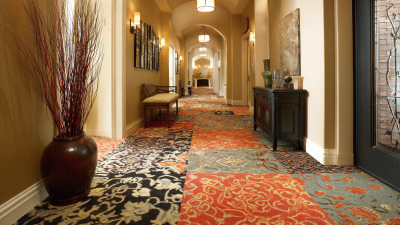
In the hospitality industry, the choice of flooring can profoundly impact a guest's experience. According to Daniel Rogers, a renowned expert in hotel design, "The right Hotel Carpet creates a welcoming atmosphere that guests remember." This statement underscores the importance of selecting high-quality carpets tailored for hotels.
Hotel Carpet not only enhances aesthetic appeal but also provides comfort and safety. A well-designed carpet can absorb sound, reducing noise levels in busy environments. However, the decision isn't solely about aesthetics. One must consider durability and maintenance. Carpets in high-traffic areas require materials that withstand wear and tear while remaining easy to clean.
Choosing the ideal Hotel Carpet can be complex. It reflects a hotel's brand identity and commitment to guest satisfaction. However, many hotel owners overlook the critical role of proper installation. Poorly laid carpets can create safety hazards and diminish the hotel's overall quality. Investing in the right Hotel Carpet can elevate a guest's experience and ultimately impact a hotel's reputation.
Understanding the Unique Requirements of Hospitality Spaces
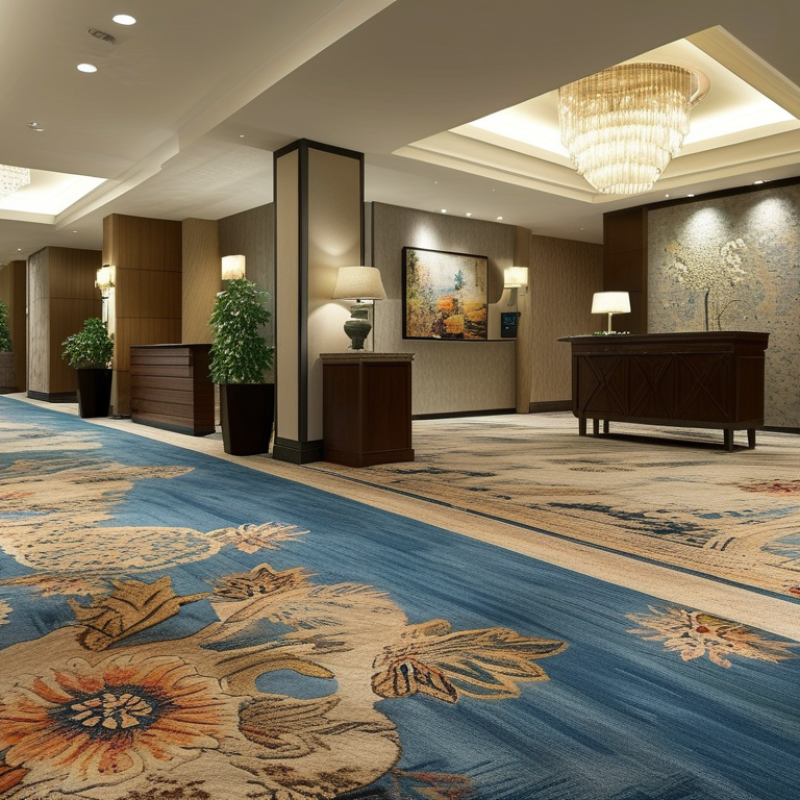
Hospitality spaces have unique requirements that differ significantly from residential areas. The heavy foot traffic in hotels and restaurants demands flooring solutions that are both durable and aesthetically pleasing. Hotel carpets are specifically designed to withstand this wear and tear while providing comfort for guests. The variety of designs available allows establishments to enhance their decor, creating a welcoming atmosphere.
Safety is another crucial aspect. Hospitality venues must prioritize slip resistance to protect guests. A carpet with the right texture can reduce accidents. Maintenance considerations also play a role. Choosing hotel carpets that resist staining and are easy to clean is essential. Time and cost efficiency can be improved with proper flooring choices.
However, selecting the perfect carpet is often challenging. What looks great might not hold up under pressure. It's vital to consider the long-term implications of any decision made. Regularly revisiting the carpet's condition is essential for maintaining a safe and inviting environment. Balancing design, safety, and maintenance needs requires careful thought and planning.
Benefits of Choosing Carpet Over Other Flooring Options
Carpet remains a popular choice in the hospitality industry. The texture and warmth it adds can create a welcoming environment. Unlike hard flooring, carpet can significantly dampen sound. This is crucial in hotels where noise can interrupt rest and relaxation. Guests appreciate a quieter atmosphere, especially in busy corridors.
Another advantage is safety. Carpet provides better traction, reducing slips and falls. This is essential in high-traffic areas such as lobbies and hallways. Maintenance is also simpler than one might think. Regular vacuuming and periodic deep cleaning can keep carpets looking fresh. However, hoteliers must be aware of different materials. Choosing the wrong type can lead to quicker wear and tear.
Aesthetic appeal plays a significant role too. Carpet offers a variety of colors and patterns, allowing for personalized design choices. This can help set the tone for each space. However, it’s essential to consider the practicality of these choices. Certain colors may show stains more than others. This can lead to disappointing appearances over time. Balancing beauty with functionality requires careful thought and planning.
Enhancing Guest Experience Through Quality Hotel Carpets
Choosing the right carpet for hotels can significantly enhance the guest experience. Quality hotel carpets not only provide comfort but also add to the aesthetics. A well-chosen carpet can create a welcoming atmosphere.
Vibrant colors and interesting patterns can uplift the mood of guests. Soft underfoot, hotel carpets invite relaxation and warmth, making guests feel at home.
When selecting hotel carpets, consider durability. High-traffic areas demand robust materials. Many carpets offer stain resistance, essential for maintaining a pristine appearance. Think about maintenance as well.
Regular cleaning is needed to ensure longevity and appeal. Use carpets that are easy to clean, making upkeep more manageable.
Emphasize sensory experiences, too. The feel of a carpet can affect overall satisfaction. Different textures can evoke different emotions. Opt for carpets that provide a luxurious touch without sacrificing practicality.
Listen to feedback from guests regarding their flooring experience. This insight can drive improvements. After all, quality carpets should cater to both visual appeal and functional use in a bustling hospitality environment.
Maintaining Cleanliness and Durability in Hotel Carpeting
Hotel carpeting plays a crucial role in maintaining cleanliness and promoting durability in hospitality settings. Carpets in hotels take on a lot of foot traffic daily. According to a report by the International Carpet and Rug Institute, hotels can experience foot traffic volumes exceeding 5,000 guests in a single week. This means carpets must withstand not just wear and tear, but also the challenge of stains, spills, and dirt.
The right hotel carpet is designed for easy maintenance. Many modern carpets are made from stain-resistant fibers. This feature makes cleaning more effective and prevents permanent stains. Longevity is vital. A good quality carpet can last seven to ten years, even in high-traffic areas. However, regular upkeep is necessary. Studies show that regular vacuuming and professional cleaning can extend carpet life significantly, up to 20% longer in some cases.
Despite advancements, maintaining hotel carpets can still be a challenge. Some carpets require specialized cleaning methods, which can be costly and time-consuming. Hotels must balance aesthetics, functionality, and budget constraints. Sometimes, opting for cheaper alternatives leads to faster wear. Investing in quality carpet, paired with a solid maintenance plan, is essential for lasting impact and guest satisfaction. This balance is crucial to reflect a hotel's commitment to cleanliness and comfort.
Choosing the Right Design and Color for Hotel Carpets
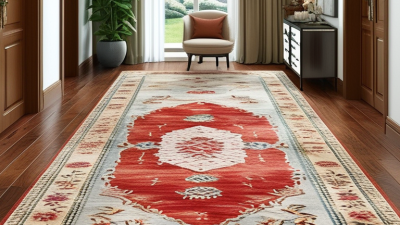
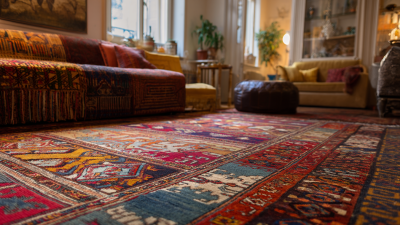
When choosing carpets for a hotel, design and color are critical components. A well-chosen carpet enhances the ambiance and sets the mood for guests. For example, warm tones can create a cozy atmosphere, while cool colors may feel refreshing. Vibrant patterns can add energy, while subtle designs may promote calmness.
Consider the hotel's theme and target audience. A luxury hotel might benefit from rich, deep colors, while a family-oriented establishment could opt for playful patterns and lighter shades. It's essential to think about practicality too. Lighter colors may show dirt more easily, needing frequent cleaning. Darker shades can hide stains but may absorb heat in sunny areas.
While aesthetics are crucial, consider practical wear and tear. High foot traffic requires durable materials. Selecting carpets with both design appeal and robust construction is not always straightforward. Mistakes happen, and some designs may not resonate with guests. Therefore, test patterns in sample spaces before committing to bulk orders. This approach not only saves costs but ensures alignment with guests' expectations and experiences.