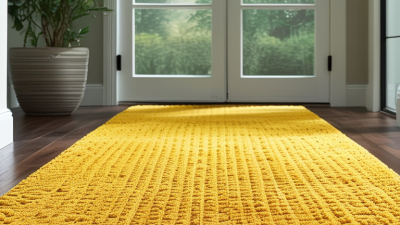
A hallway works hard. Shoes bring in grit, bags brush the walls, and sunlight can fade exposed flooring. The right Hallway Carpet can soften footsteps, add warmth, and make this narrow space feel connected to the rest of your home. But appearance alone is not enough. A deep, plush pile may feel inviting underfoot, yet it can trap dirt and show wear in a busy passage. A shorter, denser pile is often easier to maintain. Still, household traffic and cleaning habits matter more than a simple rule.
Before comparing colors or patterns, measure the hallway carefully, including door clearances and any turns. A carpet that catches a door is frustrating. Check the manufacturer’s guidance on pile, backing, and cleaning, and ask an installer how the carpet will be fitted over your existing floor. Bring home samples if possible. View them in morning and evening light, and place them beside your walls and trim. That matters. A pale sample can look warmer under shop lighting than it does at home. Consider a subtle pattern or mid-tone shade if marks are a concern, but remember that no design hides every stain. I learned that the hard way. There is no perfect carpet for every hallway; the best choice balances comfort, durability, appearance, and realistic upkeep. Small details count. A thoughtful comparison now can prevent daily annoyances later.
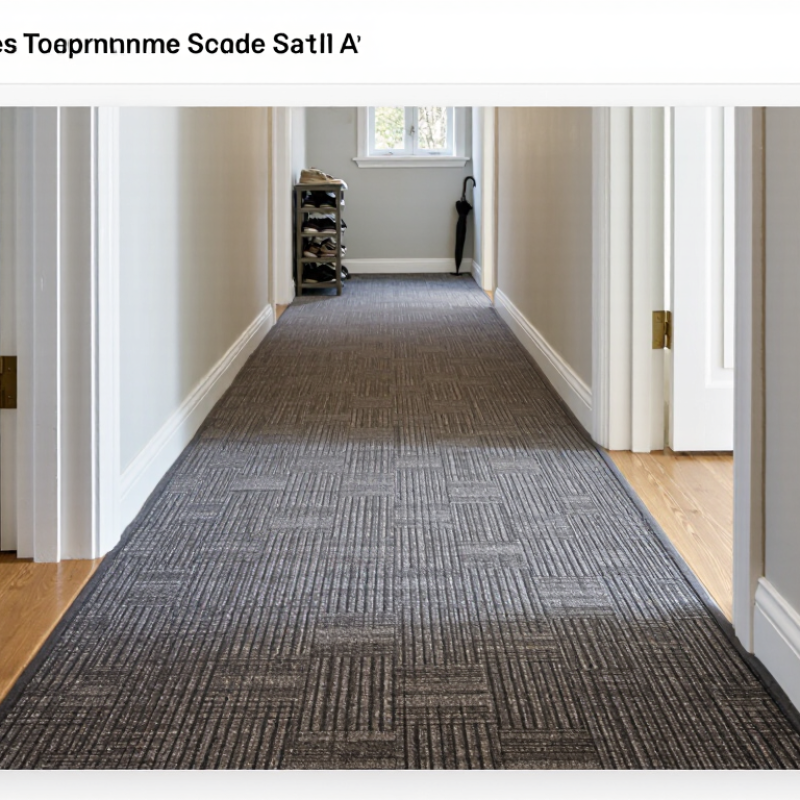
A hallway carpet should suit the way people actually use the space. Watch the corridor during a busy morning: shoes may track in grit, and bags can brush against the walls. Count how many people pass through daily, and note whether pets use the hallway too. Measure the full length and width, including door clearances and any turns. A runner that catches beneath a door quickly becomes a nuisance. Measure twice. Small errors matter.
Environmental conditions affect how well a carpet holds up. Near an exterior entrance, expect damp shoes and scattered dirt; choose a surface that is straightforward to clean. In a humid home, avoid backing that stays wet, and let the floor dry after spills. Direct sunlight can fade some fibers, so check how much light reaches the hallway at different times. A dense, low-pile carpet is often easier to vacuum than a deep pile. Still, I would not choose solely by durability: a rough texture may feel unpleasant under bare feet, and that detail is easy to overlook.
Tips: Place painter’s tape on the floor to test a runner’s width before buying. Open nearby doors fully. Check cleaning instructions, and consider a removable rug pad if the floor is slippery.
A hallway carpet faces repeated foot traffic, grit from shoes, and occasional spills. Nylon is a strong choice for busy homes because its fibers resist crushing and recover well after pressure. Vacuuming regularly helps remove grit before it wears down the pile. Look for a dense, low pile; it is easier to clean than a thick, plush surface.
Wool feels warm and naturally springs back underfoot. It can last for years with careful maintenance, but it often costs more and may need prompt attention after spills. Small stains matter. Wool can also require gentler cleaning than many synthetic fibers.
Polyester often resists water-based stains and comes in soft, appealing textures, but heavy traffic may flatten it sooner than nylon. Polypropylene handles moisture well and is usually simple to clean, though oily marks can be stubborn. No fiber is effortless. That detail is easy to overlook when comparing samples in a shop.
Consider who uses the hallway, whether outdoor shoes are common, and how often you can vacuum. A pale wool runner may suit a quiet upstairs passage, while dense nylon may better handle a busy entry. I would still expect some wear near doorways; carpet samples cannot fully predict how a real hallway will age.
A hallway carpet takes repeated foot traffic, grit, and the occasional hurried turn. For many homes, a low, dense pile is easier to vacuum and less likely to catch shoe edges. It also leaves more clearance beneath doors. Check the door swing before choosing; even a modest carpet can scrape if the gap is tight. Very plush pile may feel comfortable underfoot, but it can trap crumbs and show flattened tracks sooner. Not always. Fiber, density, and construction affect wear too, so pile height alone is not a reliable measure of durability.
Texture matters for steady footing and everyday care. A subtle rib or loop can provide a more defined surface than a smooth, slippery-feeling finish, but pronounced loops may snag on pet claws or delicate shoe heels. Run your hand across a sample, then press it with your thumb. Does it spring back, or stay flattened? Try walking on it in socks, and place the sample near a doorway to check for curling or bunching. A textured surface is not automatically safer; loose edges and poor placement can still create a trip hazard. I’d choose a texture that feels secure without being rough, though the right balance may take a little trial and error.
A hallway often receives less daylight than the rooms around it, so carpet color can look different once installed. In a dim corridor, warm beige, muted gold, or soft rust can feel welcoming without making the space seem smaller. Pale shades reflect light, but they show muddy footprints quickly. Dark charcoal hides some marks, yet it may make a narrow hall feel enclosed. Check a carpet sample beside the wall and flooring, then view it in morning and evening light. Small samples can be misleading.
Patterns affect both the mood and the practical feel of a hallway. Fine stripes can draw the eye along a long corridor, while a small geometric motif helps disguise everyday dust. Large, high-contrast designs may feel lively in a wide entrance but crowded in a tight passage. I used to think a plain carpet was always the safest choice; that is not quite true. A subtle pattern can be easier to live with. Keep the pattern scale in proportion to the hall, and consider how doorways interrupt its repeat. If the carpet has a directional design, stand at both ends before choosing. The view changes. A color that looks calm on a screen may appear oddly cool against warm wood, so trust the physical sample more than the picture.
Hallways concentrate grit, shoe moisture, and repeated footfall, so padding and upkeep matter as much as carpet appearance. The Carpet Cushion Council’s residential guidance commonly specifies cushion no thicker than 7/16 inch, with density of at least 6 pounds per cubic foot for many carpet styles. Low-profile loop carpets may need thinner padding. Check the carpet maker’s requirements before choosing; an overly soft cushion can make the carpet flex, stress seams, and wear unevenly. Small detail. A narrow hallway also exposes poor seam placement quickly.
Installation should start with a clean, dry, level subfloor and careful measuring around doorways. The Carpet and Rug Institute’s residential installation standard, CRI 105, sets procedures for preparation, stretching, and seam work; ask the installer to explain how these apply to your hallway. For care, CRI guidance recommends weekly vacuuming, with more frequent cleaning in busy areas. Grit near the entrance can act like sandpaper under shoes. Blot spills promptly with a clean cloth, and avoid soaking the backing. I’d be cautious about promising any carpet is “stain-proof”; cleaning results depend on the fiber, spill, and response time. Keep a small offcut for testing cleaners, though it is easy to forget where you stored it.
| Decision Area | What to Look For | Practical Guidance | Why It Matters in a Hallway |
|---|---|---|---|
| Pile and construction | Low-profile, dense pile; consider loop or tightly constructed cut pile. | Compare samples by touch and check that the pile springs back after being pressed. Choose a construction rated for heavy residential traffic. | Shorter, denser pile is generally easier to walk on and vacuum than a tall, loose pile, and is less likely to show compression quickly. |
| Fiber and color | A fiber suited to the household’s cleaning needs, with a color or pattern that disguises everyday soil. | Review the product’s stain, cleaning, and warranty instructions. Mottled colors and subtle patterns can make small amounts of dirt and wear less noticeable. | Hallways collect tracked-in grit and see frequent foot traffic, so appearance and cleanability are important. |
| Carpet padding | Padding approved for the chosen carpet and installation method. | For many residential installations, cushion around 1/4–3/8 inch thick is a useful starting point; density and exact limits vary by carpet. Follow the carpet manufacturer’s specifications rather than choosing cushion by thickness alone. | Excessively soft or thick padding can allow carpet to flex more underfoot, which may contribute to premature wear or seam problems. |
| Padding density | A firm cushion designed for the expected traffic and compatible with the carpet warranty. | Ask the installer to confirm the cushion’s density and suitability. A firmer, approved cushion is often preferable to a plush cushion in a busy passage. | Hallway carpet experiences repeated footsteps in a concentrated area; adequate support helps limit movement and crushing. |
| Installation method | A method appropriate to the carpet backing, subfloor, and manufacturer’s instructions. | Common residential methods include stretch-in over cushion and direct glue-down. Have the installer assess the site and use the method approved for the specific product. | The right method helps keep the carpet stable and reduces the risk of ripples, loose edges, or installation-related damage. |
| Seams and transitions | Carefully planned seams and secure transitions at doorways or changes in flooring. | Ask for the seam layout before installation. Where possible, avoid placing seams in the most heavily trafficked line; secure exposed edges with suitable transition strips. | Seams and edges receive extra friction and can become more noticeable or vulnerable if poorly positioned or secured. |
| Subfloor preparation | A clean, dry, sound, and reasonably level subfloor. | Before installation, address loose boards, debris, moisture concerns, and significant unevenness according to the installer’s recommendations. | Carpet and padding can reflect defects below them; a prepared surface supports a more even, durable installation. |
| Routine vacuuming | A vacuum suitable for the carpet’s pile and construction. | Vacuum at least weekly; increase frequency in busy homes or during periods when grit is tracked indoors. Use a height setting and beater-bar setting recommended for the carpet. | Removing abrasive soil helps reduce the wear caused by dirt being ground into the fibers underfoot. |
| Spills and spots | Prompt cleaning using the carpet manufacturer’s approved method. | Blot liquid with a clean, absorbent cloth rather than rubbing. Test any cleaning solution in an inconspicuous area and avoid overwetting the carpet. | Quick, appropriate treatment can help prevent a spill from spreading or becoming harder to remove. |
| Deep cleaning | A cleaning method compatible with the carpet, backing, and warranty. | Follow the manufacturer’s care schedule and cleaning instructions. Arrange professional cleaning when needed, and allow the carpet to dry thoroughly. | Periodic soil removal can refresh the carpet, but unsuitable products or excessive moisture may damage fibers or backing. |
Note: Carpet and cushion specifications differ by product. Confirm pile, padding, installation, and cleaning requirements with the carpet manufacturer’s care guide and a qualified installer before purchase.