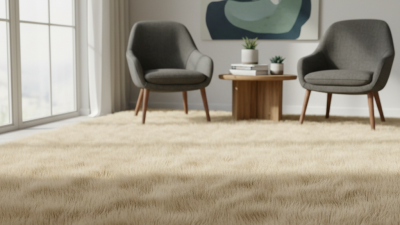
How to Choose the Best Fluffy Carpet for Your Home?
Choosing the right fluffy carpet for your home can be a rewarding yet challenging task. A fluffy carpet adds warmth and comfort to any space. It can transform a bare room into a cozy retreat. However, not all fluffy carpets are created equal. Some may look beautiful but lack durability, while others may provide comfort but don’t match your decor.
Consider your lifestyle and the room's purpose. Is it a high-traffic area? You may need a more resilient option. Conversely, a bedroom allows for softer textures that invite relaxation. Think about colors and patterns that harmonize with your existing furnishings.
Remember, the best fluffy carpet shouldn't just be aesthetically pleasing. It should also feel good underfoot while standing the test of time. Make sure to check the carpet's pile height and material. These factors significantly affect the softness and longevity. Ultimately, the ideal choice will reflect your unique style and practical needs, making your home feel complete.
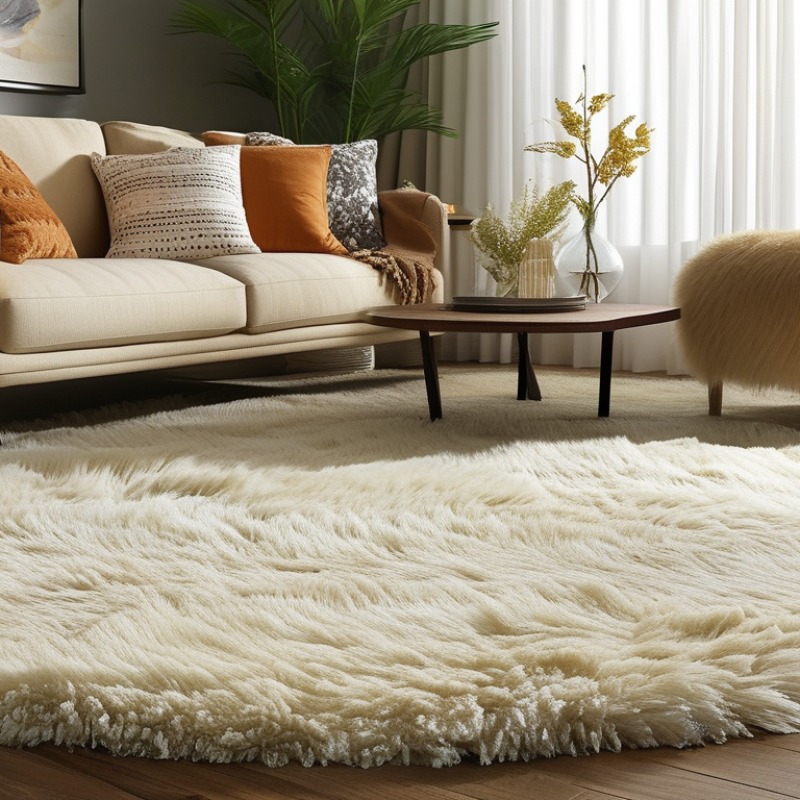
Choosing the Right Fluffy Carpet: Materials and Construction Overview
When selecting a fluffy carpet, understanding the materials and construction is vital. Common materials include polyester, nylon, and wool. Polyester offers vibrant colors and is cost-effective. However, it may lack durability compared to nylon. Wool carpets, while luxurious, can be expensive and require more maintenance.
The construction of the carpet impacts its quality and feel. Tufted carpets are common, utilizing loops of yarn. This method can create a cushy feel but may be less durable in high-traffic areas. A report by the Carpet and Rug Institute states that low pile carpets tend to wear better, making them a practical option for busy households.
Consider the pile height as well. A higher pile provides more comfort but can be harder to clean. According to industry standards, a pile height of 0.5 inches is optimal for balancing comfort and practicality. It’s essential to weigh these factors against your lifestyle needs. The wrong choice can lead to disappointment over time. Ultimately, the best carpet complements both your home and your daily routine.
Fluffy Carpet Material Comparison
Understanding Carpet Pile Types: Plush, Saxony, and Shag Explained
Choosing the right carpet for your home requires understanding different pile types. Carpet pile affects comfort, aesthetics, and durability. Plush, Saxony, and shag are three popular options. Each has unique characteristics that cater to varied preferences.
Plush carpets are known for their dense fibers. They offer a smooth, soft surface. Ideal for bedrooms and living areas, plush carpets feel luxurious underfoot. According to the Carpet and Rug Institute, plush carpets can retain heat better, making rooms feel cozy. However, they may show footprints more easily, requiring regular maintenance.
Saxony carpets have a slightly twisted texture. They provide a more formal and elegant appearance. Saxony is durable and suitable for high-traffic areas. However, they can be challenging to clean, as dirt may settle into the fibers.
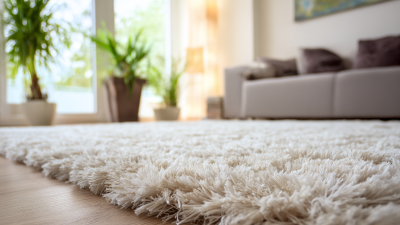
Shag carpets, with their long pile, create a laid-back vibe. They feel inviting but can trap dust and allergens. Regular vacuuming is essential to keep shag carpets looking fresh.
Understanding these options helps in making an informed decision for your home.
Evaluating Fibers: Nylon, Polyester, and Wool for Durability and Comfort
When evaluating carpet fibers for your home, consider the three main options: nylon, polyester, and wool.
According to industry research, nylon is known for its remarkable durability, providing up to 25% more resilience than other fibers.
It is a popular choice for high-traffic areas. However, it can be pricier and may require specialized cleaning methods, which adds to maintenance costs.
Polyester is another strong contender, offering excellent stain resistance.
It is softer than nylon, giving it a plush feel underfoot. However, its durability may not match that of nylon. Some reports indicate that polyester carpets can show wear and tear after just a few years, especially in busy homes.
Wool stands out for its natural properties, providing warmth and comfort.
This fiber is biodegradable and has inherent stain-resistant qualities. Yet, it is also among the most expensive options. Additionally, wool can absorb moisture, making it prone to mildew if not properly cared for.
Each fiber has its strengths and weaknesses, requiring careful consideration of your lifestyle and home environment.
The right choice will hinge on evaluating how each option fits your needs and preferences.
Assessing Carpet Density: Importance of Face Weight and Tuft Bind
When selecting a fluffy carpet for your home, understanding carpet density is crucial. Carpet density refers to the amount of fiber within a given area. High-density carpets often provide greater durability and comfort. The face weight is a key factor in this assessment. It indicates how much fiber is present in a square yard of carpet. A higher face weight typically translates to a more plush feel underfoot. Yet, it doesn't always guarantee superior quality.
Tuft bind is another essential aspect. It measures how well the tufts are anchored to the backing. A strong tuft bind enhances the longevity of the carpet. It prevents shedding and matting over time. However, some carpets may feel luxurious at first but lose their charm once wear and tear sets in. Testing with your foot can reveal how well the fibers hold up. Walking on different carpets will also give you a sense of comfort and resilience. Evaluating these characteristics helps ensure that your choice will stand the test of time.
Selecting the Appropriate Padding: Impact on Comfort and Longevity
Choosing the right padding for your fluffy carpet is crucial. Padding affects both comfort and longevity. According to the Carpet and Rug Institute, proper padding can increase the carpet's lifespan by 10 years. Good padding not only cushions your feet but also enhances sound absorption and insulation.
When selecting padding, thickness is important. A thickness of 7/16 to 1/2 inch is often recommended for plush carpets. However, too thick of a pad may lead to instability. The ideal density should be around 6 to 8 pounds for optimum support. Choose materials that provide resilience to prevent flattening.
Tip: Test the padding by walking on it. Ensure it feels luxurious yet provides support.
Consider the fiber type of your carpet too. Different carpets require different padding materials. For example, wool carpets benefit from natural fiber pads, while nylon carpets work well with synthetic options.
Tip: Always consult with flooring professionals to ensure you make an informed choice. They can provide insights based on your specific needs and space. Remember, the right padding is key to both comfort and carpet longevity.