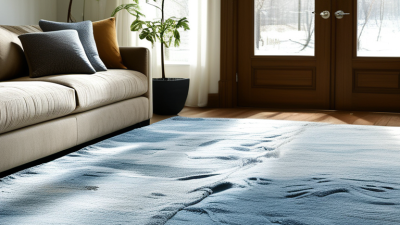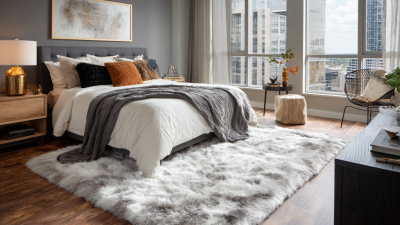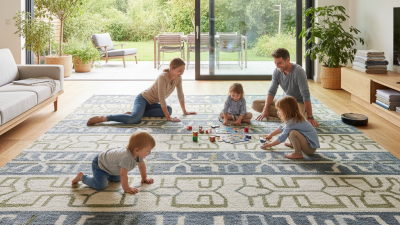
A Large Washable Rug is designed to cover generous floor space while allowing easier cleaning than a traditional heavy rug. It can define a living room, soften a bedroom, or protect a busy family hallway. Unlike small washable mats, large formats create a continuous visual layer beneath sofas, dining tables, or beds. They also bring practical comfort to homes with children, pets, or frequent spills.
It sounds simple. It is not always effortless.
Before buying, check the rug’s exact dimensions, fabric, backing, and care instructions. A rug may be labeled washable but still require a large-capacity machine, gentle detergent, or air drying. Some models fold easily, while others become awkward and heavy when wet. That detail matters in everyday use. A thin cotton blend may dry faster than a dense synthetic pile, but it might offer less cushioning. A textured surface can feel warm underfoot, yet it may trap crumbs more easily.
Reliable product decisions come from matching the rug to the room, not choosing the largest option available. Measure door clearances and washing-machine capacity first. Consider whether furniture can remain stable on the rug’s surface. Read care labels carefully, and follow the manufacturer’s cleaning guidance. I would also question dramatic claims about stain resistance or effortless maintenance. No rug stays perfect forever. Still, the right Large Washable Rug can reduce cleaning stress, refresh a room quickly, and provide a practical balance between style, comfort, and daily durability.
What Is a Large Washable Rug and Why Buy One?
Definition and Key Features of a Large Washable Rug
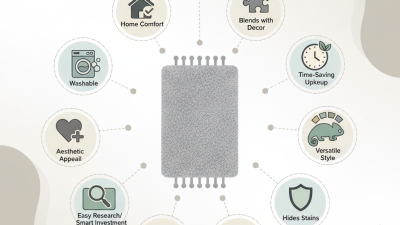
A large washable rug covers broad floor areas while allowing easier cleaning than a fixed traditional rug. It usually uses flexible fabric, a low profile, and a removable or washable construction. Common sizes range from about 5 by 7 feet to 8 by 10 feet. Always measure your room first. A rug should fit beneath key furniture without blocking doors or vents.
The most useful feature is practical maintenance. Dirt, crumbs, and small spills can be removed without hiring professional cleaners. Many designs include a non-slip backing, but the backing still needs a level, dry floor. Check the care label carefully. Some rugs fit home washing machines, while others require commercial equipment because of their weight. Do not force a soaked rug into a small drum.
Material also affects comfort and durability. A low-pile surface is easier to vacuum and dries faster. Soft fibers may feel pleasant beside a bed, but they can show footprints or flatten over time. I once assumed “washable” meant effortless, yet drying a large rug can take much longer than expected. Air circulation matters. Hang it evenly, inspect the backing, and avoid strong heat unless the care instructions allow it. A washable rug is convenient, but it is not maintenance-free.
A large washable rug is a floor covering designed to provide substantial room coverage while allowing convenient cleaning according to the care label. Common nominal sizes range from 6 × 9 feet to 9 × 12 feet.
Key features: broad floor coverage, removable or washable construction, practical maintenance, and suitability for living rooms, bedrooms, dining areas, and other high-use spaces. The chart shows the floor area covered by common nominal rug sizes; actual measurements can vary slightly by product.
A large washable rug covers wide areas, such as living rooms, bedrooms, or open dining spaces. It combines practical cleaning with the softness of a traditional floor covering. Its construction usually begins with synthetic or blended fibers. These fibers resist moisture and dry more quickly than many natural materials. Designers then control the pile height, surface texture, and color placement. A low pile often works better beneath furniture and doors.
Many washable rugs use a flexible top layer, a printed pattern, and a separate backing. Some designs are quilted or lightly padded for extra comfort. The backing helps reduce movement, but it cannot replace a proper rug pad on smooth floors. Edges receive careful stitching because corners often experience the most stress. Pattern scale matters too. Tiny details may look attractive online but appear less clear across a very large surface.
Tips: Measure the room and washing machine first. Check the rug’s care label carefully. Wash it in a balanced load, using mild detergent and cool water. Avoid folding wet fabric for long periods. Air drying is usually gentler than high heat. I have noticed that rugs may curl slightly after washing, especially when packed tightly. That is not always a defect, but it needs patience and reshaping. A washable rug still requires regular vacuuming and honest attention to its limits.
| Data Dimension | Typical Information | Why It Matters |
|---|---|---|
| Definition | A large washable rug is a floor covering made to fit spacious areas and designed to be cleaned in a washing machine or through another manufacturer-approved washing process. | It combines the visual coverage of a traditional area rug with a more convenient cleaning routine. |
| Common Large Sizes | Frequently used sizes include approximately 6 × 9 feet, 8 × 10 feet, and 9 × 12 feet. Actual dimensions may vary slightly by construction and edging. | The correct size helps define seating areas, dining spaces, bedrooms, and open-plan rooms without overwhelming the layout. |
| Typical Materials | Common materials include polyester, recycled polyester, cotton, polypropylene, and blended fibers. The backing may use latex, silicone, rubber-like dots, or a separate non-slip pad. | Fiber choice influences softness, stain resistance, drying time, color retention, and overall durability. |
| Surface Construction | Many washable rugs use woven, printed, tufted, or low-pile constructions. Low-pile surfaces are especially common because they are easier to fold and clean. | A flatter surface generally fits more easily beneath doors and furniture and is less likely to trap large amounts of debris. |
| Layer Structure | A typical design may include a decorative face, a textile or stabilizing middle layer, and a backing layer. Some products use a removable rug pad rather than an attached backing. | Layering affects flexibility, cushioning, stability, washability, and how quickly the rug dries. |
| Pile Height | Large washable rugs are commonly low pile or flat weave, often under about 0.25 inch in height. Exact pile height depends on the product design. | Low pile construction helps reduce bulk and makes folding, vacuuming, and machine washing more practical. |
| Design Methods | Patterns may be created through digital printing, yarn coloration, weaving, tufting, or combinations of these methods. Popular styles include geometric, floral, vintage-inspired, and neutral patterns. | Printed and woven designs can create different levels of texture, visual depth, color variation, and wear visibility. |
| Washability | Washability depends on the rug’s size, weight, backing, and care label. Some large rugs are machine washable only when folded, while others require spot cleaning or professional cleaning. | Checking the care instructions prevents damage to the rug, washing machine, and backing material. |
| Washing Guidance | General care often includes vacuuming first, using a gentle cycle with cold or lukewarm water, selecting a mild detergent, and avoiding bleach unless the care label specifically permits it. | Gentle cleaning helps reduce color fading, fiber damage, edge distortion, and backing deterioration. |
| Drying Requirements | Air drying is commonly recommended. A rug should be fully dry before being placed back on the floor, and high heat should be avoided unless expressly allowed by the care instructions. | Complete drying helps limit musty odors, mildew growth, shrinkage, and damage to synthetic or coated backing materials. |
| Backing and Stability | Some designs have an integrated non-slip backing, while others require a separate rug pad. A clean, dry floor and correctly sized pad improve stability. | Large rugs can shift or wrinkle when placed on smooth flooring without adequate traction. |
| Stain and Spill Management | Washable rugs do not make all stains disappear automatically. Prompt blotting, gentle spot treatment, and following the care label are usually more effective than aggressive scrubbing. | Quick treatment can prevent spills from spreading or becoming permanently embedded in the fibers. |
| Suitable Locations | Common locations include living rooms, dining rooms, bedrooms, playrooms, entry areas, and home offices, provided the rug is appropriate for the floor type and traffic level. | Room placement should match the rug’s construction, cleaning requirements, and exposure to moisture or heavy wear. |
| Advantages | Key benefits include easier routine cleaning, convenient spill management, flexible seasonal use, and the ability to refresh a large area without replacing the entire floor covering. | These features can be useful in homes with children, pets, frequent visitors, or high-traffic rooms. |
| Limitations | Large washable rugs can be heavy when wet, may require a large-capacity washer, and may have less cushioning or plushness than thick traditional rugs. | Understanding these limitations helps buyers choose a practical size, material, and cleaning method. |
| Selection Checklist | Review the exact dimensions, fiber content, backing type, care instructions, machine capacity requirements, drying method, edge construction, and need for a separate rug pad. | These details provide a more reliable basis for comparison than appearance alone. |
Note: Specifications and cleaning requirements vary by construction. Always follow the care label supplied with the individual rug.
A large washable rug is designed to cover generous floor space while allowing easier cleaning at home. It can soften a living room, bedroom, or play area without demanding professional care after every spill. In practice, “washable” does not always mean effortless. Check its exact dimensions, washing instructions, and drying requirements before purchasing. A very large rug may need a commercial-sized machine.
Common materials include polyester, cotton, recycled fibers, and blends. Polyester usually resists stains and dries relatively quickly. Cotton feels breathable and comfortable under bare feet. However, it may shrink or wrinkle if washed with excessive heat. Recycled fibers can offer a practical, softer surface, though their texture varies between products. I once overlooked backing quality, and the rug shifted more than expected. That was my mistake. A textured or rubberized backing can improve grip, but it still needs testing on smooth floors.
Available styles range from low-pile geometric designs to faded traditional patterns and simple neutral surfaces. Low-pile rugs suit dining areas because chairs move more easily. Plush styles feel warmer beside a bed, but they can hold more dust and take longer to dry. Abstract patterns may hide small marks, while pale solid colors make rooms appear brighter. Consider the room’s traffic, furniture shape, and cleaning habits. A beautiful style is not useful if its care routine becomes inconvenient.
A large washable rug is a roomy floor covering designed for repeated cleaning. It can soften a living room, protect busy flooring, and make a cold play area feel warmer. Its greatest benefit is practical control. Spilled juice, tracked soil, and pet hair do not need permanent residence.
The U.S. Environmental Protection Agency reports that indoor pollutant levels are often two to five times higher than outdoor levels. Dust can collect in textile surfaces, especially near entrances and seating areas. Washing the rug can remove some settled debris, but it cannot replace ventilation or careful vacuuming. The EPA’s indoor air guidance supports source control and regular cleaning as basic indoor-air practices. That makes a washable rug useful, not magical.
The World Health Organization links damp indoor conditions and mould exposure with respiratory problems. A washable rug may dry more thoroughly after accidents than a thick, permanently fitted carpet. Still, frequent moisture can damage backing or flooring. The weak point is care. Choose a rug that fits your washing machine, or use a suitable commercial washer. Check the care label, dry it completely, and inspect corners for curling. Large rugs also reduce slipping when their backing grips the floor properly. Measurement matters more than appearance. A beautiful rug that cannot be cleaned safely becomes an expensive inconvenience.
A large washable rug is designed to cover open floor areas while fitting inside a washing machine. It usually has a flexible surface and a lighter backing than traditional rugs. This makes cleaning easier after spills, muddy shoes, or pet accidents. Choose a size that leaves balanced space around your furniture. Measure the room and doorway first. Check the rug’s material, backing, and care label before buying. A low-pile design often works better beneath dining tables and sofas.
From regular cleaning, I have found that vacuuming prevents grit from damaging the fibers. Vacuum slowly, especially near the edges. Treat fresh stains with cool water and a mild cleaner. Avoid harsh scrubbing, which may spread the mark. Before washing, shake out loose dirt and remove the backing if the instructions require it. Use a gentle cycle and avoid overloading the machine. Air-dry the rug completely before placing it indoors. A damp backing can create odors or affect wooden flooring. Mistakes happen.
Maintain the rug by rotating it every few months. This helps reduce uneven fading and worn paths. Place a suitable rug pad underneath to improve grip and airflow. Inspect corners after each wash. I once ignored a curling edge and nearly caused a trip. The lesson was simple: repair small problems early. Sunlight, heavy furniture, and frequent washing can shorten a rug’s life, so adjust its position when practical. Keep written care instructions nearby, because memory is less reliable than a label.