When it comes to selecting the perfect fluffy carpet, expert designer Sarah Mitchell emphasizes, "A great fluffy carpet transforms your space." Choosing the right fluffy carpet is not just about aesthetics; it impacts comfort and ambiance. This soft flooring can create warmth in any room, making it a popular choice for homeowners.
However, selecting a fluffy carpet can be overwhelming. There are countless textures, materials, and colors on the market. You may find options that look appealing but may not be practical for your lifestyle. A fluffy carpet should meet your functional needs while enhancing the overall design of your home. Take the time to visualize how a new carpet will fit into your decor.
Consider factors like foot traffic and maintenance. Some fluffy carpets are easier to clean than others. Additionally, the cost can vary widely. Investing in a high-quality carpet may save money in the long run. Reflect on these details before making a decision. A well-chosen fluffy carpet can improve both your comfort and home’s aesthetic.
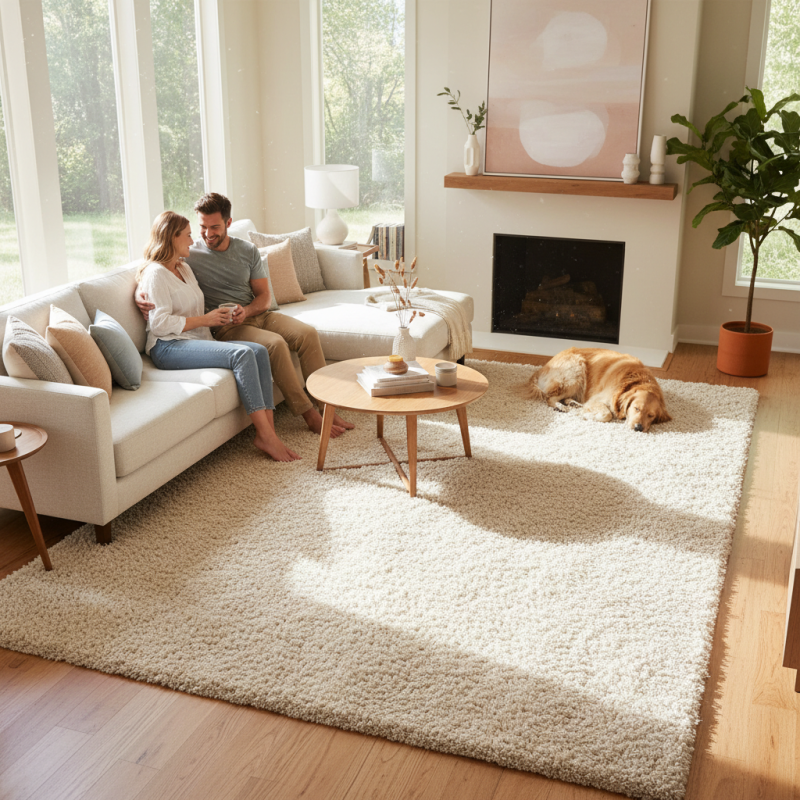
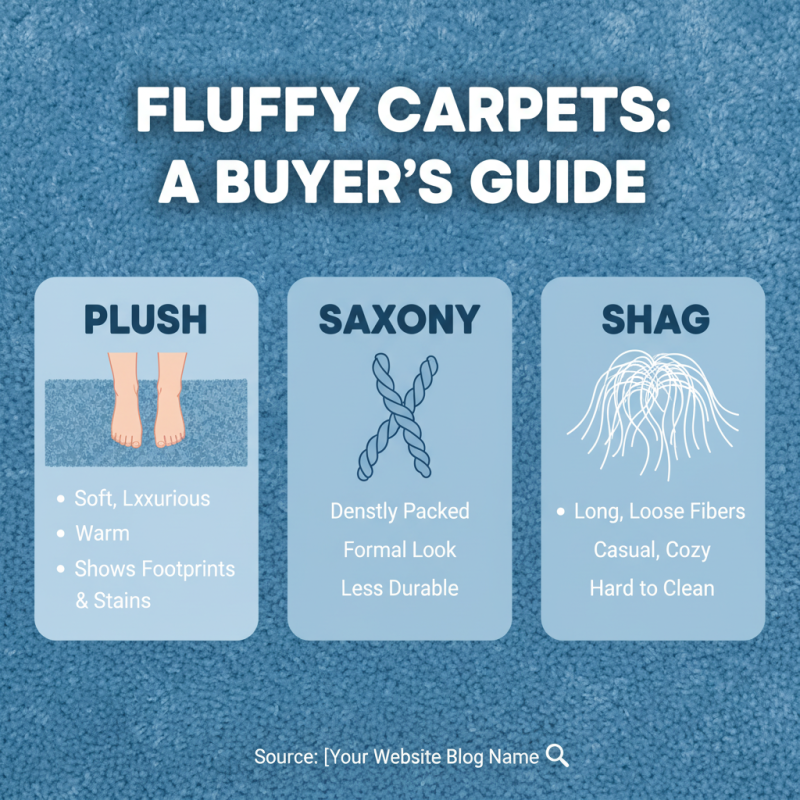
When choosing a fluffy carpet, understanding the types available is crucial. There are several varieties, each offering unique characteristics. For example, plush carpets have a luxurious look and feel. They are soft underfoot and provide warmth during colder months. However, they can be difficult to clean and may show footprints easily.
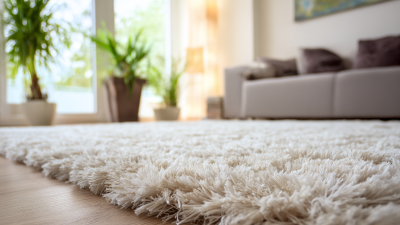
Another popular option is shag carpets. These have longer fibers that create a relaxed and cozy atmosphere. They are perfect for casual spaces. Yet, their maintenance can be a challenge. Dust and dirt tend to settle deeper in the fibers, making them hard to keep clean. Despite this, many love the comfort they provide.
Berber carpets are also worth considering. They are made from looped fibers and are known for their durability. This makes them an excellent choice for high-traffic areas. However, they may not have the same plush feel as other options. Texture plays a vital role in choosing your carpet. Take time to explore different materials and manufacturing methods. Each choice has its pros and cons, depending on your lifestyle.
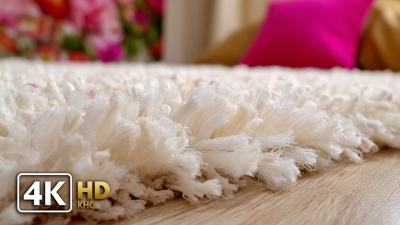
Choosing the right carpet can impact both comfort and durability in your home. When evaluating carpet materials, consider fiber types. Nylon is known for its resilience and stain resistance, ideal for high-traffic areas. On the other hand, polyester offers a soft feel but may wear out faster. According to industry reports, nylon carpets can last up to 15 years with proper care.
Tip: Always check the carpet’s density. Higher density carpets provide more durability. Look for a carpet with a density of at least 2,000 ounces per square yard. This ensures a longer lifespan and better resilience to wear.
Wool carpets are luxurious and breathable but can be pricey. They are resistant to dirt and stains, helping to maintain a clean look. However, they may require more care than synthetic fibers. Reports indicate that wool can last over 20 years.
Tip: Always consider the cushion beneath the carpet. A good cushion enhances comfort and extends carpet life. Aim for a cushion thickness of 7/16 inch or more. This adds to the plush feel while supporting the carpet’s durability.
| Material | Durability (Years) | Comfort Level | Maintenance |
|---|---|---|---|
| Nylon | 10-15 | High | Moderate |
| Polyester | 5-10 | Very High | Moderate |
| Wool | 15-20 | Very High | High |
| Olefin | 7-10 | Moderate | Low |
| Triexta | 10-15 | High | Moderate |
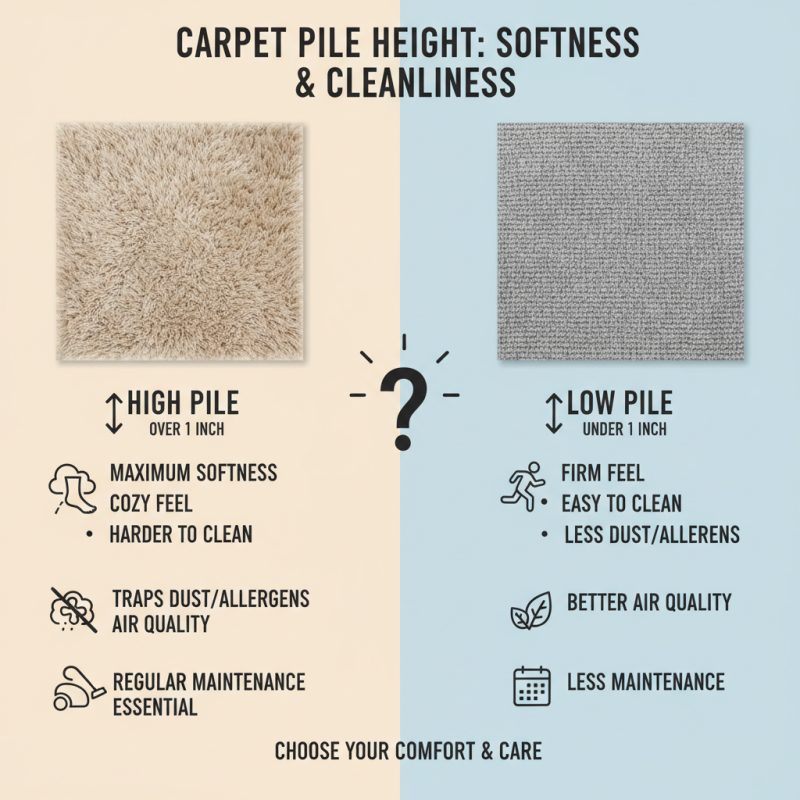
When selecting a fluffy carpet, pile height plays a crucial role in achieving the desired softness. Carpets with a higher pile, typically over one inch, offer a plush feel. These carpets create a cozy atmosphere but may be harder to clean. Studies indicate that homes with high-pile carpets often trap more dust and allergens, which can affect air quality. Regular maintenance is essential to mitigate these issues.
On the other hand, low-pile carpets, usually below half an inch, provide a firmer surface. They are easier to vacuum and often more durable, making them ideal for high-traffic areas. The choice of pile height also influences the sensory experience of the carpet. Research shows that individuals prefer carpets with a moderate pile height for a balance of comfort and practicality. Striking the right balance is critical. A plush carpet may look inviting but demands more upkeep. Moreover, over time, a carpet that is too soft can wear more quickly in busy spaces.
Consider the lifestyle of your household. Families with pets or young children may benefit from low-pile options. Conversely, if comfort is your main priority, a high-pile carpet could transform your living space. Each choice comes with advantages and disadvantages. It’s crucial to weigh them based on your specific needs and preferences.
Choosing the right carpet color and pattern is crucial for your home. It can transform a room's mood and style. Light colors, like beige or soft gray, create a sense of spaciousness. Dark colors can add warmth, but they might make a room feel smaller. Think about the natural light in your space. Rooms with plenty of sunlight can handle darker shades more comfortably.
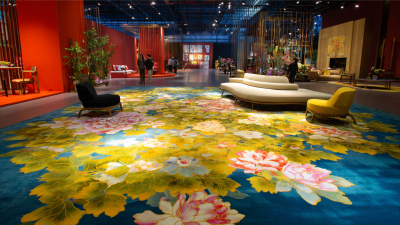
Patterns, on the other hand, add visual interest. Stripes can elongate a room, while floral designs can bring in a touch of nature. However, busy patterns might clash with existing décor. Balance is key. A patterned carpet could overwhelm a small space. Consider how the carpet interacts with your existing furniture and wall colors.
It's essential to reflect on your lifestyle. If you have kids or pets, darker colors or busy patterns may hide stains better. You might also feel drawn to specific colors, reflecting your personality. Yet, trends change swiftly. What seems appealing today might feel outdated tomorrow. Prioritize your comfort and the atmosphere you wish to create. Choose wisely; you might need to live with your decisions for years.
When selecting a fluffy carpet, budget and maintenance play crucial roles. Industry reports indicate that high-quality carpets typically range from $2 to $10 per square foot. While investing more often translates to better materials, it’s essential to align your budget with your home’s needs.
Maintenance requirements can vary significantly based on carpet type. For instance, synthetic fibers are often easier to clean than natural fibers. A report from the Carpet and Rug Institute highlights that synthetic carpets can reduce cleaning costs by up to 30%. Regular vacuuming and periodic professional cleanings are necessary, regardless of the material chosen.
Moreover, consider how much foot traffic your carpet will endure. A plush carpet may feel luxurious, but it can wear down faster in busy areas. Weighing durability against comfort is vital. A beautiful carpet can turn an ordinary room into a relaxing retreat. However, it may require more effort to maintain its look, especially in high-use spaces. Remember, the right choice balances aesthetics with long-term practicality.