Leave Your Message

Why Choose a Muslim Prayer Mat for Global Buyers?

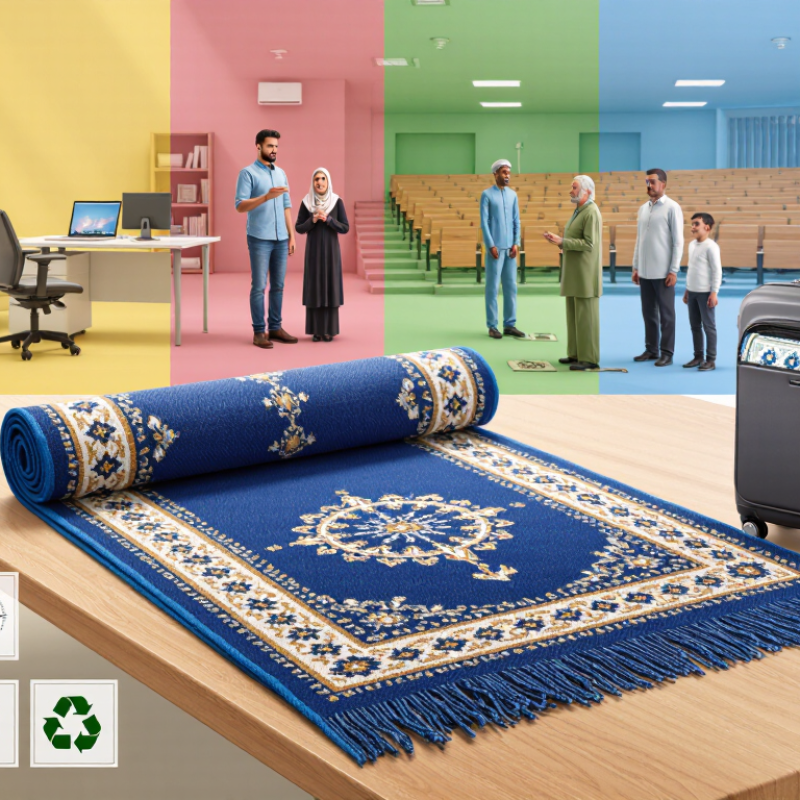
Why Choose a Muslim Prayer Mat for Global Buyers? The answer begins with daily use, cultural meaning, and thoughtful product design. A Muslim Prayer Mat travels between homes, offices, universities, and hotel rooms. Its folded surface may rest beside a suitcase. Its compass marker can help users orient themselves during prayer.

Demand also reflects a growing global Muslim population. Pew Research Center projects approximately 2.2 billion Muslims worldwide by 2030. That figure signals a broad, diverse customer base. It does not guarantee automatic sales. Buyers still expect accurate dimensions, durable stitching, clear material information, and respectful design. Grand View Research’s home décor analysis also identifies rising interest in sustainable and digitally purchased household products. Prayer mats increasingly meet those shopping habits.

Islamic textile specialist Dr. Nurhan Atasoy describes the prayer rug as “a personal space for devotion, carried through everyday life.” This perspective matters for manufacturers and retailers. A compact mat with a non-slip underside may suit frequent travelers. A thicker woven mat may serve older users who need softer support. Recycled fibers can reduce material impact, although durability claims require testing. This detail is often overlooked.

A reliable Muslim Prayer Mat should balance faith, comfort, and practical performance. Sellers need transparent specifications, not exaggerated promises. Global buyers may compare pile height, weight, washing instructions, packaging, and origin. Small details build trust. Imperfectly, the market still lacks consistent testing standards across suppliers. That gap deserves more attention. Yale?
Why Choose a Muslim Prayer Mat for Global Buyers?

What Is a Muslim Prayer Mat and Why Is It Used?

A Muslim prayer mat, often called a sajjada, is a clean, designated surface for salah, or Islamic prayer. It may be woven from cotton, wool, polyester, or other suitable textiles. Many mats feature a mihrab-like arch, geometric patterns, or a compass-friendly layout. However, the design does not determine the qibla. Worshippers still check the prayer direction through local knowledge or a reliable tool.

It is not mandatory. Muslims may pray on any clean surface. A prayer mat simply creates a familiar, personal boundary between worship and the surrounding floor. This matters in homes, offices, airports, hotels, and outdoor areas. Many Muslims pray five times daily, so a portable mat can support a steady routine. A rolled mat beside a travel bag shows its practical value without making the practice feel complicated.

For global buyers, material, size, weight, and cleaning instructions deserve careful attention. A low-pile surface is easier to fold and often dries faster after washing. A thick mat may feel comfortable, but it can take more space and become difficult to carry. Patterns should remain respectful and not distract from prayer. One detail is easy to overlook: a beautiful mat is not automatically a useful one. Poor stitching, slippery backing, or unclear care guidance can disappoint users after purchase.

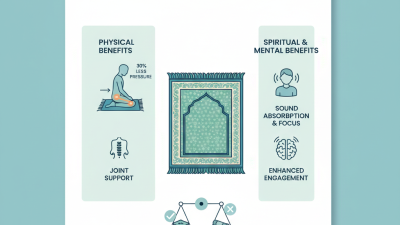
Key Features That Support Comfort, Cleanliness, and Focus

For global buyers, a Muslim prayer mat should do more than display a beautiful pattern. In regular use, comfort begins with balanced cushioning, a stable surface, and enough room for natural prostration. A soft top layer can ease pressure on knees and ankles, while a firm base helps prevent shifting. Thickness matters, but thicker is not always better. I have found that excessive padding may feel unstable during standing and bowing. Fit depends on the user.

Cleanliness also supports a respectful prayer environment. Look for materials that resist dust and dry quickly after gentle washing. A tightly woven surface is easier to wipe, though it may feel less plush. Removable or washable designs can help in homes with children, pets, or frequent travel. Care labels should state water temperature and drying limits clearly. Guessing can damage fibers. In humid climates, breathable construction and full drying are especially important.

Visual design can support focus without becoming distracting. Subtle geometric details, calm colors, and a clear orientation area may help the user settle into prayer. Still, personal preference differs widely across cultures and households. A seller should provide accurate measurements, material details, and honest photos. Claims such as “guaranteed concentration” deserve caution. No mat solves every discomfort. Buyers may need to test texture, weight, and grip in their own space before choosing a long-term option.

How Prayer Mats Reflect Islamic Practices and Cultural Diversity

A Muslim prayer mat is more than a soft surface for worship. It helps create a clean, defined space for salah, whether at home, in a workplace, or during travel. Islamic practice values cleanliness, modesty, and orientation toward the Kaaba, but the mat itself is not a universal religious design. It is not uniform. Details matter.

Pew Research Center’s report, The Future of World Religions, estimated 1.8 billion Muslims worldwide in 2015 and projected about 2.2 billion by 2030. This expanding community includes Arab, South Asian, African, Southeast Asian, European, and many other cultural traditions. Their prayer mats may show geometric borders, floral patterns, woven textures, or restrained colors. Some buyers prefer compact mats for flights and offices, while others choose thicker surfaces for home use. A single design cannot represent everyone.

The State of the Global Islamic Economy 2023/24 reported Muslim consumer spending of approximately 2.29 trillion US dollars across major Islamic economy sectors in 2022. That figure signals broad purchasing diversity, not identical preferences. Global buyers should examine fabric density, edge finishing, foldability, and cleaning instructions. Recycled fibers may appeal to sustainability-minded users, but durability still requires testing. I once assumed ornate patterns were most meaningful; that view feels incomplete. For some worshippers, a plain mat offers deeper focus. For others, cultural motifs make daily prayer feel familiar.

What Global Buyers Should Consider Before Choosing a Prayer Mat

Choosing a Muslim prayer mat requires more than attractive patterns. Global Muslim consumer spending reached about US$2.29 trillion in 2022, according to the State of the Global Islamic Economy Report 2023/24. This broad market includes many cultures, climates, and household habits. Buyers should avoid treating one design as universally suitable.

Check the mat’s dimensions, weight, surface grip, and folding behavior. A standard adult may need enough length for comfortable prostration, while frequent travelers often prefer lighter construction. Measure twice. A thick pile can feel comfortable, but it may trap dust and increase drying time after washing. A low, dense surface is often easier to clean. The backing should resist sliding on tile, wood, or carpet without leaving sticky residue. That detail matters.

Material information should be specific, not vague. Ask for fiber composition, washing instructions, colorfastness testing, and factory quality controls. Independent textile testing can support claims about durability and harmful substances; buyers may consult recognized standards such as ISO 105 for colorfastness or OEKO-TEX-related safety documentation where applicable. Packaging also deserves attention, especially for humid shipping routes. Moisture-resistant packaging can reduce odor and mildew risks, but it should not create unnecessary plastic waste. Pew Research Center estimated approximately 1.8 billion Muslims worldwide in 2015, with continued growth projected. Yet population size does not erase local preferences. A regional user review may reveal problems that laboratory testing misses. That is an uncomfortable gap, and buyers should acknowledge it.

Why Choose a Muslim Prayer Mat for Global Buyers?

A prayer mat should be selected with global users in mind: portability, easy cleaning, comfortable cushioning, clear prayer orientation, and culturally respectful design. The large and geographically diverse Muslim population means buyers may value different materials, sizes, and travel features depending on their region.

Population figures are approximate 2020 estimates based on regional demographic data published by Pew Research Center.

Materials, Designs, Sizes, and Uses Across Different Markets

Why Choose a Muslim Prayer Mat for Global Buyers?

Materials strongly influence comfort, durability, shipping weight, and local purchasing habits. Cotton feels breathable and suits warm indoor spaces. Polyester dries quickly and supports affordable large-volume orders. Wool offers warmth and a richer texture, but it needs careful cleaning. Recycled fibers may attract sustainability-minded buyers, although their quality can vary between suppliers. A firm, non-slip backing helps protect users on tile or polished floors. It should remain flexible, not stiff.

Design choices require cultural awareness and practical testing. Geometric patterns, restrained borders, and directional layouts are widely adaptable. Some buyers prefer subtle colors for home use, while others choose vivid tones for gifts or community spaces. Avoid placing busy imagery where the forehead rests. It may distract from prayer. Colorfastness also matters, especially in humid markets. One overlooked detail is edge stitching. Weak seams quickly become visible after repeated folding.

Sizes should match real routines. A compact mat fits luggage, office drawers, and travel bags. A standard adult size gives comfortable movement at home or in mosques. Larger formats may suit prayer rooms, hotels, and family spaces. Children’s sizes can support early learning, but their materials should remain soft and easy to wash. Buyers should check actual measurements, folded thickness, care labels, and packaging before ordering. A thicker mat feels luxurious, yet it may increase freight costs and dry slowly. That trade-off deserves honest review.