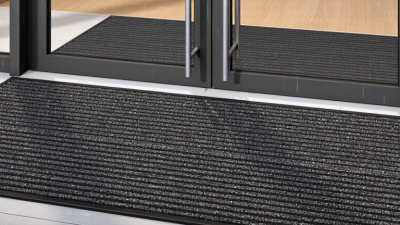
An Entrance Door Mat has a modest footprint and an important job. It catches grit, moisture, and loose leaves at the threshold. On a rainy morning, wet soles can leave a trail from the doorway to the kitchen. In dry weather, fine dust settles into the mat’s grooves. Small detail. Big difference.
The right choice depends on the doorway, local weather, and daily foot traffic. Coir fibers can scrape away stubborn dirt, while a low-profile synthetic mat may suit a door that swings close to the floor. Rubber backing can help limit shifting, but it should still rest flat on a clean, dry surface. A damp entryway can also make smooth floors slick, so stability and regular drying deserve attention. Size matters: a narrow mat may miss muddy shoes, while an oversized one can catch the door. Practical choices are rarely dramatic.
This guide explores 10 entrance door mats for different homes and routines, from covered porches to busy apartment entries. We look at useful details such as scraping ability, absorbency, stability, cleaning needs, and suitability for indoor or outdoor use. Product labels can be optimistic, and no material performs perfectly in every doorway or climate. That is worth remembering. Check dimensions and care instructions before buying, and consider how often the mat will need shaking, vacuuming, or washing. A well-chosen mat will not keep every speck outside. But it can make the first steps into a home cleaner and more manageable.
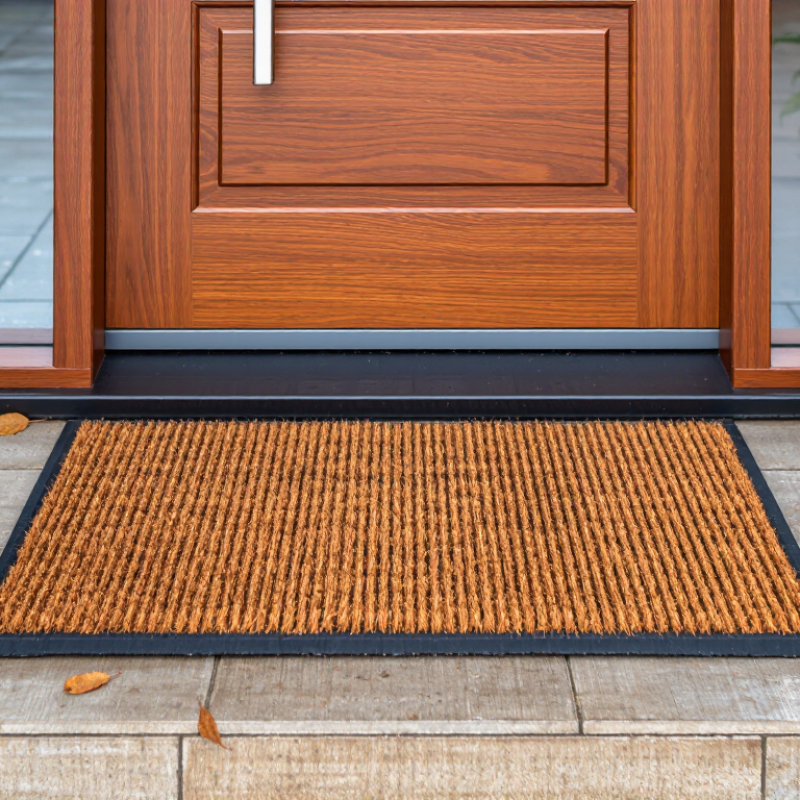
An entrance door mat is a working part of the home, not just a finishing touch. It catches grit before it spreads across floors and absorbs some moisture from wet shoes. That matters near wood, tile, and rugs, where damp footprints can linger. A mat also gives visitors a clear place to pause and wipe their feet. Small details matter.
For everyday use, choose a mat that sits flat and leaves the doorway easy to open. A textured surface can help loosen dirt from shoe soles, while an absorbent layer is useful during rainy weather. Check that the backing grips your floor, especially on smooth tile. A mat that slides is a nuisance, and potentially a hazard.
Tips: Shake outdoor mats regularly, and vacuum or wash indoor mats according to their care labels. Let damp mats dry fully before putting them back.
I’ve found that one mat rarely handles every season equally well. A coarse outdoor mat may scrape off mud, but feel uncomfortable under bare feet; a soft indoor mat may look inviting, yet hold moisture longer than expected. Think about your entryway’s traffic, weather, and floor type before choosing. Then check the mat after a few weeks. If dirt gathers around its edges, it may be too small or poorly placed.

Entrance mats work best when their material matches the mess outside. Coir’s stiff coconut fibers scrape dried mud and grit from shoe treads, but they can shed and are slow to dry after heavy rain. That matters. Rubber mats resist water and stay steady on a porch, though they absorb little moisture. Nylon and polypropylene piles collect finer dust; polypropylene dries quickly, while dense nylon often holds its shape under frequent foot traffic. Cotton feels softer and absorbs water, but it needs regular washing and can stay damp.
ISSA, the worldwide cleaning industry association, cites a common facility-cleaning estimate: as much as 80% of indoor soil is tracked in on footwear. Treat that as a planning estimate, not a promise for every home. A practical entrance setup pairs a coarse scraper outside with an absorbent mat inside. The Carpet and Rug Institute’s carpet-maintenance guidance likewise emphasizes removing soil at entrances to reduce what reaches interior flooring. Check the backing, too: rubber or another nonslip layer helps prevent shifting on smooth tile, but trapped moisture can still mark some floors. I would not choose by appearance alone. A dark, plush mat may hide dirt while holding it; cleaning it can be the annoying part.
A good entrance mat should catch dirt without becoming a trip hazard. Measure the clear floor area and check the door’s swing, including its lowest point. A mat that looks generous in a shop may bunch under a low door. Measure twice. For a narrow entry, leave a visible strip of floor at the sides so the mat does not feel wedged in. In a busy household, a longer mat gives shoes more steps to shed grit and moisture. Still, more coverage is not always better if it blocks a threshold or wheelchair route.
Texture should match the mess you expect. Coarse, firm fibers help scrape mud from outdoor shoes, while flatter, absorbent surfaces can handle damp soles indoors. A deeply ridged mat may trap debris, but it can also be harder to clean. Check the care instructions before buying. The backing matters just as much: rubber or another grippy material can help limit sliding on smooth floors, while some backs may not suit delicate finishes. Keep the mat flat and dry beneath it. A useful test is to walk across it in ordinary shoes and gently nudge an edge. If it shifts or curls, reconsider the size, backing, or placement. Even careful measuring can miss a door’s clearance by a little.
A door mat should fit the entryway, not just the doorway. Measure the clear space with the door fully open, then choose a mat that leaves room for the door to swing.
For a narrow porch, a slim rectangular mat may sit better than a wide one. Keep a few inches of floor visible around it; that small border can make a cramped entrance feel less crowded. Small detail, big difference.
Match the surface to the conditions at your door. A textured coir mat can scrape dry dirt from shoes, while a washable fabric mat may suit a covered entry with frequent foot traffic.
In wet or snowy weather, choose a mat with a grippy backing and enough depth to catch moisture. Check that it dries between uses. A damp mat can hold grit and develop an odor, even when it looks clean.
For an exposed step, a low-profile rubber mat may be easier to rinse, though it can feel less welcoming indoors. Consider who uses the entrance, too: a lightweight mat may slide under energetic pets, and a thick one can catch a walker or a door.
I have found that the “perfect” size is sometimes a compromise; test the clearance before settling on one.
A sheltered porch suits a coarse coir mat, which scrapes dry grit from shoe soles. For wet weather, choose a rubber mat with raised channels that hold water and mud. Microfiber mats absorb drips near the door, while washable cotton is handy for homes with frequent spills. A low-profile mat clears tight door gaps. Fit matters too.
For muddy boots, a scraper-style mat offers firmer ridges; an absorbent synthetic mat dries faster after rain. A recessed mat sits flush with the floor, reducing trip risk when installed correctly. A dual-layer indoor-outdoor mat handles grit outside and moisture inside. For smooth tile, choose a mat with a secure, nonslip backing. According to the U.S. EPA’s indoor-air-quality guide, indoor pollutant levels are often two to five times outdoor levels, though a mat alone cannot control indoor air. It can help limit tracked-in soil. Small detail, real payoff. Measure the doorway and check cleaning instructions before buying; even a good mat becomes less useful when clogged with grit.
Ten Entrance Door Mat Options for Different Household Needs
| Mat Option | Typical Material | Common Size | Best For | Key Strength | Care and Placement |
|---|---|---|---|---|---|
| Coir Scraper Mat | Natural coconut fiber with a backing layer | 18 × 30 in | Covered front porches and everyday shoe scraping | Coarse fibers help loosen dried dirt from shoe soles. | Shake or brush outdoors. Keep under cover because prolonged moisture can shorten its life. |
| Rubber-Backed Absorbent Mat | Polyester or microfiber surface with a rubber backing | 24 × 36 in | Busy entrances and wet-weather foot traffic | Combines a fabric surface for moisture with a backing designed to help limit slipping. | Check the care label; many fabric mats can be machine washed. Use on a clean, dry floor. |
| All-Rubber Outdoor Mat | Molded rubber | 18 × 30 in | Rainy climates, muddy paths, and exposed entrances | Water-resistant and easy to rinse; raised patterns can help scrape dirt from shoes. | Rinse with water and let it dry. Choose a low-profile design if the door swings close to the floor. |
| Waterhog-Style Grid Mat | Textile surface with a molded rubber or thermoplastic backing | 24 × 36 in | Homes with frequent visitors or pets | Textured channels help capture water and loose debris from footwear. | Shake out debris and clean according to the manufacturer's care instructions. Suitable for indoor or covered outdoor use, depending on construction. |
| Indoor Carpet Mat | Polypropylene or polyester pile with a non-slip backing | 20 × 32 in | Entryways where comfort and a finished look matter | Soft pile catches everyday dust and small particles after shoes have been scraped outdoors. | Vacuum regularly. Keep away from standing water and confirm the backing is suitable for the floor surface. |
| Recessed Well Mat | Rubber grid or coir insert fitted into a floor recess | Cut or fitted to the existing well | Homes with a built-in entrance mat recess | Sits level with the surrounding floor when correctly sized, reducing a raised edge at the doorway. | Measure the recess before buying. Lift the insert periodically to remove trapped dirt and let the area dry. |
| Wipe-Clean Vinyl Mat | Vinyl or other smooth, flexible synthetic material | 18 × 30 in | Low-maintenance entrances and homes with occasional spills | Its smooth surface can be wiped clean quickly and does not absorb water like a textile mat. | Wipe with a damp cloth and mild cleaner. Use a non-slip backing or mat pad where needed. |
| Long Runner Mat | Polypropylene, polyester, or a blend with a non-slip backing | 24 × 60 in | Wide doorways, double doors, and longer entry halls | Provides a larger landing area for households that want more shoe-cleaning coverage. | Measure the doorway and door clearance first. Vacuum or shake regularly to remove grit. |
| Washable Fabric Mat | Cotton or synthetic fabric, sometimes with a rubber backing | 20 × 32 in | Households that prefer to clean mats frequently | A washable construction makes routine cleaning straightforward when the care label permits machine washing. | Follow the washing and drying instructions. Make sure the mat is fully dry before placing it back down. |
| Low-Profile Door Mat | Flat-woven polypropylene or thin rubber-backed fabric | 18 × 30 in | Doors with limited floor clearance and compact entryways | Its thinner profile is less likely to catch on a door that opens close to the floor. | Measure the gap beneath the door before choosing a mat. Keep the surface and floor beneath it clean to help prevent movement. |