Leave Your Message

What Is the Best Fluffy Carpet for Your Home?

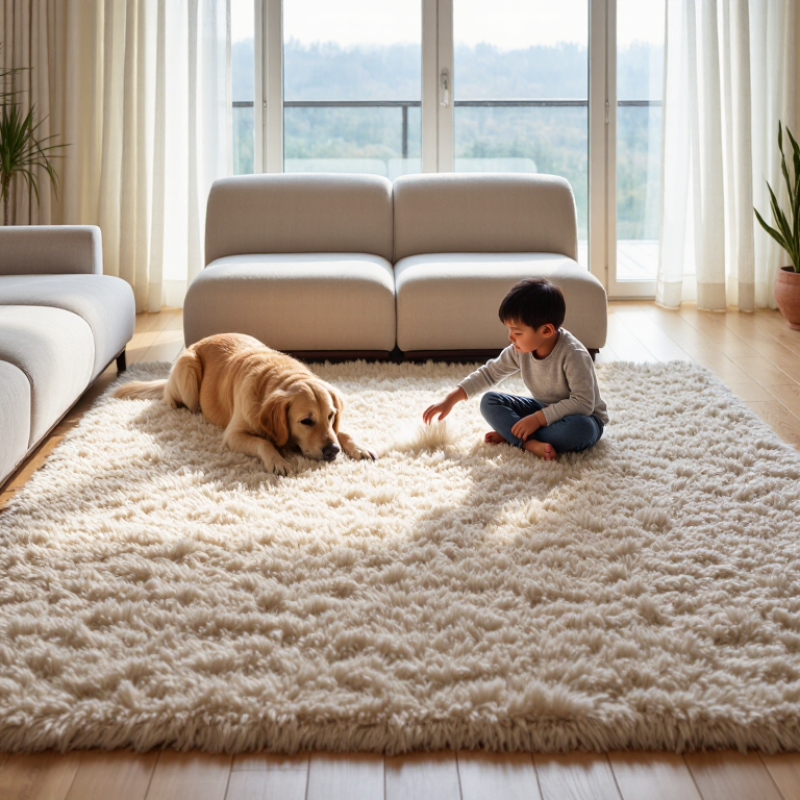
Choosing the best Fluffy Carpet involves more than touching a sample in a showroom. A thick pile may feel luxurious under bare feet, yet it can collect crumbs, dust, and pet hair between its fibers. Grand View Research’s 2024 carpet market analysis identifies comfort, home renovation, and interior styling as important demand drivers. That trend explains the popularity of plush floor coverings. It does not prove every soft carpet suits every household.

Indoor-air quality also deserves attention. Dr. Michael Berry, an indoor-environment researcher, has described carpet as “a passive filter.” The idea is practical: carpet can hold particles until vacuuming removes them. The U.S. Environmental Protection Agency recommends regular vacuuming and careful maintenance for cleaner indoor environments. A Fluffy Carpet therefore needs more than an attractive texture. Its backing, fiber type, pile density, stain resistance, and cleaning instructions matter.

Softness can mislead. I once treated it as the whole answer; that was too simple. A high-pile rug may feel wonderful beside a bed but become frustrating beneath a dining table. Homes with children or pets may need shorter, resilient fibers and washable construction. Allergy-sensitive rooms require disciplined cleaning, not marketing promises. The Carpet and Rug Institute’s Seal of Approval programs can offer a useful quality reference, although certification does not replace personal testing. Check how the carpet feels, sheds, bends, and responds to a small spill. Then compare warranty language carefully. The best choice balances comfort, appearance, maintenance, and real household habits.
What Is the Best Fluffy Carpet for Your Home?

What Defines a Fluffy Carpet and Its Main Materials

What Is the Best Fluffy Carpet for Your Home?

What Defines a Fluffy Carpet and Its Main Materials

A fluffy carpet feels soft because of its pile height, fiber density, and flexible surface texture. Longer fibers create deeper cushioning, while dense tufts make the floor feel fuller underfoot. However, a taller pile is not automatically better. It can trap crumbs, collect dust, and show footprints more clearly. I once assumed maximum softness meant maximum comfort. That assumption was too simple.

Wool offers natural warmth, resilience, and a slightly springy feel. It can handle regular use, but it usually needs careful cleaning and costs more. Polyester often feels silky and provides strong color options, though crushed areas may recover slowly. Polypropylene resists moisture and stains, making it practical for busy rooms. Nylon is known for durability and can suit hallways or family spaces. Fiber quality, backing, and tuft construction still matter. Material alone does not decide performance.

Tips: Press the carpet with your hand and release it. Dense fibers should rise reasonably well. Check whether doors clear the pile before installation. Use a vacuum with an adjustable height setting, and test cleaning products on a hidden area. For allergy-sensitive homes, choose a manageable pile and clean it regularly. Also consider sunlight, pets, and furniture weight. A beautiful fluffy carpet may disappoint when daily maintenance becomes tiring.
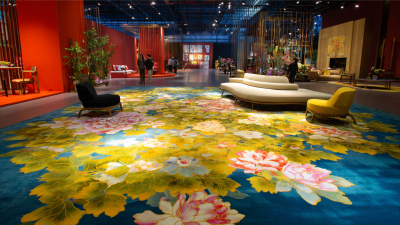

How Carpet Fiber, Pile Height, and Density Affect Comfort

What Is the Best Fluffy Carpet for Your Home?

How Carpet Fiber, Pile Height, and Density Affect Comfort

Fluff is not a specification. Fiber sets the first feel. Polyester often feels silky, while nylon generally recovers better after repeated footsteps. Wool can feel warm and springy, but its price and maintenance deserve honest consideration. These are tendencies, not guarantees. A dense, soft fiber may outperform a taller, cheaper pile during everyday use.

Pile height changes both touch and stability. A tall, loose pile looks luxurious, yet it can flatten under a sofa or near a doorway. Lower piles may feel less cloudlike, but dense construction often gives steadier cushioning. ISO 8543:2016 evaluates carpet thickness, mass, and density through standardized measurements. A useful industry calculation is density equals face weight multiplied by 36, divided by pile height in inches. Higher density usually supports better resilience, although softness still depends on fiber and backing.

The U.S. Department of Energy’s Energy Saver guidance estimates carpet and padding can provide roughly R-1 to R-2 of thermal resistance. That helps explain the warmer feeling under bare feet. Do not judge comfort from a showroom sample alone. Ask for a cut sample, bend it, press it, and inspect the backing. A sample can feel wonderfully plush for five minutes. Real comfort may change after months of traffic. I would also test cleaning effort, because a very deep pile can trap crumbs, pet hair, and regret.

Which Fluffy Carpet Best Fits Each Room and Lifestyle

What Is the Best Fluffy Carpet for Your Home?

Which Fluffy Carpet Best Fits Each Room and Lifestyle?

A fluffy carpet can make a bedroom feel warmer, especially beside a cold bed frame. Choose a deep, soft pile for quiet rooms with limited foot traffic. A medium pile suits living rooms better because chairs and coffee tables can move more easily. I once chose an extra-deep carpet for a reading corner. It looked luxurious, but the fibers trapped crumbs quickly.

Busy homes need a more practical texture. Families with children may prefer a shorter, dense pile that supports regular vacuuming. Pet owners should check whether loose fibers resist claws and release hair easily. For dining areas, avoid very high piles because dropped food can disappear between the strands. Hallways also need a firm, low profile. Door clearance matters more than many shoppers expect.

Tips: Match softness to your daily routine, not only your first impression. Test a carpet sample under bare feet and place a chair on it for several hours. Check its backing for grip, especially on smooth floors. Clean spills promptly with a white cloth and mild solution. Some fluffy carpets shed at first, and that can be normal, but heavy shedding deserves closer inspection. A perfect choice does not exist; comfort, cleaning time, and room use must be balanced.

What Is the Best Fluffy Carpet for Your Home? - Which Fluffy Carpet Best Fits Each Room and Lifestyle

Compare common fluffy carpet constructions by comfort, maintenance, durability, and room suitability. Actual performance can vary with fiber quality, pile density, backing, installation, and care.

Room or Lifestyle Recommended Fluffy Carpet Style Common Fiber Choice Pile Profile Comfort Durability Cleaning Demand Moisture Consideration Why It Fits What to Avoid
Bedroom Soft saxony or plush cut pile Polyester or soft nylon Medium to deep, evenly cut pile Excellent Good Moderate Keep dry; use a breathable underlay Creates a warm, cushioned surface beside the bed and feels comfortable under bare feet. Very loose shag if frequent vacuuming or easy movement of furniture is important.
Living Room Dense plush or textured cut-and-loop pile Nylon or a durable wool blend Medium pile with tight construction Very good Very good Moderate Protect from spills and prolonged dampness Balances softness with resilience in a frequently used social space. Extremely high pile that can catch chair legs, table feet, or vacuum heads.
Home Office Low-profile textured plush Dense nylon or solution-dyed polyester Low to medium pile Good Very good Low to moderate Use a suitable chair mat where needed Provides some softness while allowing office chairs and casters to move more easily. Deep shag, which may impede rolling chairs and trap crumbs around a desk.
Nursery or Child’s Bedroom Dense, short plush with a smooth surface Easy-clean polyester or nylon Short to medium pile Very good Good Moderate to high Choose a carpet that dries thoroughly after cleaning Offers cushioning and is generally easier to vacuum than long, loose fibers. Very long fibers that can collect small objects and make spot cleaning difficult.
Dining Area Low-profile textured cut pile Nylon or stain-resistant polyester Low pile with dense face weight Good Very good Moderate to high Clean spills promptly to reduce staining and odor Allows chairs to move more readily and makes crumbs and spills easier to manage. Deep shag or open-loop styles that can catch chair legs and conceal food debris.
Hallway or Entryway Dense textured cut pile or short patterned plush Nylon or durable polypropylene Low pile with strong, compact construction Good Excellent Moderate to high Use entrance mats and keep outdoor moisture away Handles repeated foot traffic better than tall, soft fibers and is easier to maintain. Light-colored, high-pile carpet in areas exposed to grit, mud, or wet footwear.
Pet-Friendly Home Dense, low-loop-free textured plush Stain-resistant nylon or polyester Low to medium pile with tight texture Good Very good High Address accidents quickly and maintain ventilation Tightly constructed surfaces are generally easier to vacuum and less likely to snag claws than loose loops. Large loops, delicate loose fibers, and very pale colors that show hair and marks quickly.
Luxury Comfort Priority Deep saxony or high-density plush Fine nylon, wool, or a quality blend Deep pile with dense, resilient backing Outstanding Good to very good High Keep away from persistent dampness and clean professionally when required Maximizes softness and visual richness for low-to-moderate traffic rooms. Low-density products, which can flatten, shade, or show tracking more easily.
Low-Maintenance Lifestyle Short textured plush Solution-dyed polyester or nylon Low pile with a dense, uniform surface Good Very good Low Follow the manufacturer’s cleaning instructions Shorter fibers typically make routine vacuuming and spot cleaning less time-consuming. Long, loosely twisted fibers that require more frequent grooming and careful vacuuming.
Allergy-Conscious Household Dense, low-pile plush with a smooth surface Nylon or polyester Low pile with minimal loose texture Good Very good Moderate Control indoor humidity and vacuum regularly with suitable filtration A dense, shorter surface is generally easier to vacuum thoroughly than a deep, loose shag. Very deep pile if regular, thorough cleaning is difficult.

Tip: For the best long-term result, compare pile density, backing quality, care instructions, stain-treatment limitations, and the carpet’s suitability for your household’s traffic level before purchasing.

How to Compare Safety, Durability, Cleaning, and Maintenance

Choosing the best fluffy carpet means comparing more than softness. A thick, high-pile surface feels warm under bare feet, but it can hide crumbs, dust, and moisture. The U.S. Environmental Protection Agency reports that indoor pollutant levels are often two to five times higher than outdoor levels. They can be higher still. For allergy-sensitive homes, choose low-emission materials and ventilate after installation. Check safety labels, backing stability, and slip resistance. Softness alone is not a safety test.

Durability depends on fiber resilience, pile density, and room traffic. Ask for abrasion results, not just attractive samples. Standardized tests, such as ASTM carpet-wear methods, help compare performance more fairly. Fluffy carpets also demand disciplined care. Vacuum slowly with adjustable suction, and avoid aggressive brushing that can pull fibers. Clean spills immediately with a white cloth. A 2023 housing-condition report from the U.S. Department of Housing and Urban Development links persistent dampness with material damage and indoor-air concerns. That makes moisture control essential. Honestly, even an excellent carpet can fail in a humid room.

Tips: Place washable mats near entrances. Use furniture cups to reduce crushing. Test a small hidden area before cleaning. Vacuum high-traffic paths twice weekly, then inspect corners by hand. If the pile mats after several months, reconsider the cleaning method rather than blaming the carpet immediately. The choice is rarely perfect. Safety, appearance, and maintenance will compete.

How to Choose the Right Fluffy Carpet for Your Home**

What Is the Best Fluffy Carpet for Your Home?

How to Choose the Right Fluffy Carpet for Your Home

Choosing a fluffy carpet starts with the room, not the trend. A bedroom can handle deeper pile, while a busy hallway needs a shorter, denser surface. Measure the floor carefully, including door clearance. A thick carpet can stop a door from opening smoothly. I learned this after moving a bedroom rug twice. Annoying, but useful.

Check the fiber construction, backing, and cleaning instructions before buying. Soft synthetic fibers often resist stains and dry faster than some natural options. Natural fibers can feel warmer, yet they may need gentler care. Ask for a sample and press it under your palm. Does it recover quickly, or stay flat? Rub a small area with a clean white cloth. Loose color is a warning sign. Also inspect the underside for firm, even backing.

Think about feet, pets, children, and sunlight. A pale, high-pile carpet shows crumbs quickly. A dark one may reveal dust and flattened paths. Choose a pile height you can vacuum without forcing the machine. For allergy-sensitive homes, select an easy-clean carpet and ventilate it regularly. Product descriptions can sound perfect. They are not always complete. Confirm material details, care requirements, and return conditions with the seller. A beautiful sample may still feel impractical after one week.