5 Tips for Choosing the Best Faux Fur Carpet?
Choosing the best Faux Fur Carpet involves more than touching a soft surface in a showroom. Pile height, backing, shedding, cleaning needs, and room traffic all affect its real performance. A rug may look luxurious under warm lighting, yet flatten beside a sofa after several weeks. That detail matters.
Textile consultant Maya Ellison offers a practical warning: “Softness attracts the eye, but construction decides whether a faux-fur rug earns its place.” Her advice reflects a common industry lesson. Fiber quality matters. So does the foundation beneath it. A dense, even pile usually feels fuller and hides minor wear better. A stable backing can reduce sliding on smooth floors. Still, no material performs perfectly in every home.
This guide explores five useful checks before purchasing a Faux Fur Carpet. You will consider fiber texture, pile density, backing safety, maintenance effort, and overall room suitability. A cream rug can brighten a dark bedroom, but it may expose crumbs quickly. A longer pile can feel warmer, though vacuuming becomes more difficult. These trade-offs deserve honest attention.
Measure twice. Buy once.
Personal experience often reveals what product photos conceal. Edges may curl. Colors may appear different in daylight. Some rugs shed during their first uses, while others remain surprisingly neat. Therefore, choosing wisely means asking practical questions, reading care instructions, and examining construction closely. Comfort matters, but dependable use matters more.
Understand Faux Fur Types, Fibers, and Pile Characteristics
Faux fur carpets differ greatly in fiber, texture, and durability. Start with the fiber. Polyester usually offers affordable softness and good color stability. Acrylic can feel wool-like, but it may pill under heavy use. Modacrylic often looks realistic and resists heat better, although it still needs careful cleaning. Blended fibers can balance softness and strength. No fiber is perfect.
Check the pile before buying. A tall, loose pile feels luxurious beneath bare feet, but it traps crumbs and shows footprints. A shorter, dense pile is easier to vacuum and usually keeps its shape longer. Press the surface with your palm. It should recover slowly without exposing thin backing. Then rub a small area gently. Excessive shedding suggests weak fiber anchoring. It may improve, but do not assume it will.
Look closely at the backing and edges. A stable backing helps prevent stretching on smooth floors. Use a rug pad when slipping is possible. Request a sample if available. View it in daylight, because artificial lighting can hide uneven color. I once preferred the softest texture in a showroom, but it proved difficult to maintain at home. That experience changed my choice. Consider room traffic, pets, moisture, and cleaning habits before judging appearance alone. Read the care label, avoid harsh heat, and test any cleaner on a hidden spot. The best carpet is not always the plushest one.
5 Tips for Choosing the Best Faux Fur Carpet
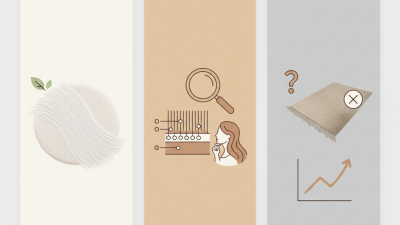
Compare common faux fur fibers by softness, durability, moisture resistance, and flame resistance. Ratings are general material-guide scores on a 1–5 scale; actual performance depends on pile height, backing, density, and construction.
How to choose:
- Choose acrylic for a soft, wool-like feel and a plush visual effect.
- Choose polyester when everyday durability and easy care are priorities.
- Consider modacrylic when improved flame resistance is important.
- Check pile density and backing quality, not just the fiber label.
- Match the pile height to the room: shorter piles are easier to clean, while longer piles feel softer but can trap more dust.
Evaluate Softness, Density, Durability, and Shedding
5 Tips for Choosing the Best Faux Fur Carpet
Evaluate Softness, Density, Durability, and Shedding
Softness should feel pleasant, not merely slippery. Run your fingers across the pile in several directions. Quality faux fur usually feels even, with no rough backing pressing through. Very sparse fibers reveal the base quickly. A plush surface should also recover after you flatten it with your palm.
Density matters for warmth, appearance, and long-term comfort. Pinch a small section and inspect the gap between fibers. A tightly filled pile often looks fuller and hides the backing better. Ask for a sample when possible. A perfect first touch can mislead me. Some carpets feel luxurious in a showroom but flatten after repeated walking.
Durability depends on the backing, fiber attachment, and room placement. Bend the sample gently and check for cracking, loose threads, or strong chemical odors. For a bedroom, delicate softness may be acceptable. A busy hallway needs firmer construction and easier cleaning. Check the care instructions before buying. Practical details matter more than photographs.
Shedding deserves a simple test. Rub a dry, light-colored cloth across the surface several times. A few loose fibers may be normal after production. Continuous shedding suggests weaker fiber attachment. Shake the sample outdoors, then inspect the floor beneath it. I would repeat this test after cleaning, because water and friction can expose weaknesses that dry handling misses.
Choose the Right Carpet Size, Shape, Color, and Texture
5 Tips for Choosing the Best Faux Fur Carpet
Choose the Right Carpet Size, Shape, Color, and Texture
Measure the usable floor area before shopping. Leave about 15–30 centimeters around furniture edges for a balanced border. A 120 × 180-centimeter rug suits a reading chair or bedside area. Larger rooms usually need the front legs of furniture resting on the carpet. It feels more connected. Round designs soften square tables, while rectangular shapes guide movement along sofas and beds. My own mistake was choosing by appearance alone. The rug looked generous online, but it felt undersized beside a deep sofa.
Color should respond to daylight, wall tones, and cleaning habits. The U.S. Environmental Protection Agency reports that indoor pollutant levels can be two to five times higher than outdoor levels, so ventilation and low-emission backing deserve attention. Ask for material information and test a sample near a window. Cream reflects light beautifully, but it reveals dust quickly. Charcoal hides marks, yet it can make a small room feel heavier.
Texture affects comfort and maintenance. Dense, longer fibers create a luxurious feel, while shorter piles are easier to vacuum and less likely to flatten. Run your hand across the pile, then bend the backing gently. It should recover without shedding heavily. Industry research from Grand View Research valued the global carpets and rugs market at approximately 72.6 billion U.S. dollars in 2023, showing how broad this product category has become. That figure does not guarantee quality. Personal testing still matters.