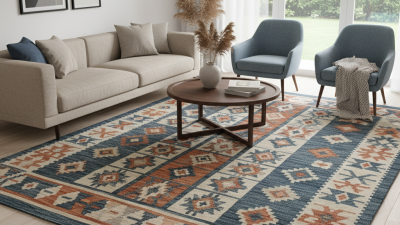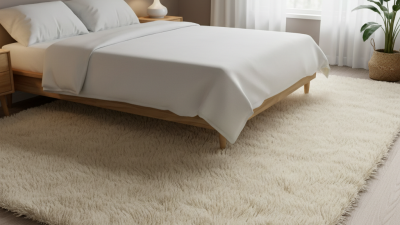
Geometric Rug design is moving beyond simple squares and predictable stripes. Global buyers now seek patterns that feel modern, adaptable, and easy to place. Bold checkerboards, softened grids, layered diamonds, and irregular lines are gaining attention in residential and commercial interiors. These designs add structure without making a room feel overly formal.
In sourcing projects, I have seen neutral beige paired with charcoal, terracotta, olive, and muted blue. These combinations photograph well, yet they also need testing under real lighting. A sample may look calm in a showroom and appear too dull beside a sunny window. That small difference matters. It can affect customer satisfaction, product reviews, and repeat orders.
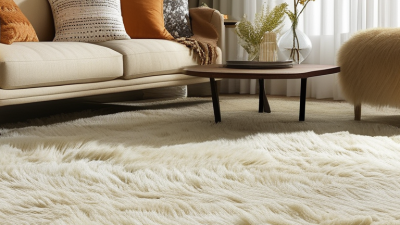
Texture is becoming just as important as geometry. Low-pile rugs suit dining rooms, offices, and busy hallways because chairs move more easily across them. Soft high-low surfaces create depth, but they may collect more dust. Buyers should examine fiber content, backing quality, edge finishing, colorfastness, and cleaning instructions before making larger commitments. Responsible sourcing also requires clear information about materials and production conditions.
Some trends will last. Others may fade quickly. That uncertainty deserves honest attention. A dramatic pattern can attract clicks but limit long-term use. The strongest Geometric Rug collections balance visual impact with practical sizing, durable construction, and broad regional preferences. This guide explores the leading styles, materials, color directions, and buying considerations shaping the global market today. Expect useful patterns, not perfect predictions.
Geometric rugs are floor coverings built around repeated visual structures, such as lines, grids, arches, triangles, or asymmetrical blocks. Their patterns may be bold and mathematical, or quiet and almost architectural. Common designs include low-contrast diamonds, broken stripes, and layered rectangles. Definitions matter.
Grand View Research valued the global carpets and rugs market at USD 72.39 billion in 2023. It forecasts growth of about 4% annually through 2030. IMARC’s 2024 industry report estimates the market at USD 79.1 billion in 2023. Its forecast reaches USD 106.5 billion by 2032. The different figures reflect varying market boundaries, not necessarily conflicting demand signals.
Geometric rugs appeal globally because they organize visual space without relying on one cultural symbol. A charcoal grid can suit a compact apartment in Seoul, while warm terracotta shapes may complement a Mediterranean interior. Buyers also appreciate adaptable scale. Smaller patterns can define a reading corner, while oversized forms anchor an open-plan room. In my sourcing experience, tonal geometry often receives fewer objections than high-contrast prints. It photographs well and hides minor everyday marks. Still, this preference is not universal. Some buyers find repeated patterns tiring after installation. Reports measure market activity, not long-term satisfaction. Responsible buyers should check fiber content, pile height, edge finishing, and color accuracy before ordering. A digital image can mislead.
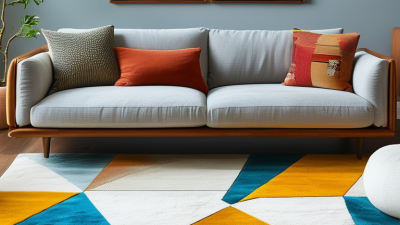
Global buyers are increasingly choosing geometric rugs with clear, adaptable patterns. The leading designs include diamonds, stepped lines, abstract grids, and softened checkerboards. These patterns add structure without making a room feel overly formal. Large-scale diamonds suit spacious living rooms, while smaller grids work well in compact apartments. Neutral backgrounds with charcoal, clay, sand, or muted blue create wider decorating flexibility. However, online images can be misleading. A rug may appear calm on a screen but feel busy under strong lighting. I once underestimated this effect in a low-ceiling room.
Pattern scale should match the furniture and room dimensions. A bold geometric design can anchor a simple sofa and plain walls. In contrast, detailed shapes may compete with patterned curtains or textured upholstery. Buyers should also inspect pile height, fiber durability, and edge finishing. These details influence comfort, cleaning, and long-term appearance. Handmade irregularities can add character, although some customers may prefer sharper symmetry. Neither choice is automatically better.
Tips: Request a daylight photo, a close-up of the weave, and accurate color references. Place a paper outline on the floor before ordering. Check whether the pattern repeats evenly across the full rug. Leave space around major furniture when possible. Do not trust color names alone. A “warm beige” may look noticeably pink or gray in a different room.
Identifying the Leading Geometric Rug Patterns through a normalized global interest index.
Organic geometry leads current buyer interest, followed by diamond and abstract linear patterns. The index is normalized from 0 to 100, where higher values indicate stronger relative interest in the pattern category.
What Are the Top Geometric Rug Trends for Global Buyers?
Geometric rugs are moving toward tactile surfaces, flexible colors, and practical construction. Mordor Intelligence’s Carpet and Rugs Market report estimates the global market at USD 72.39 billion in 2024. It projects USD 96.13 billion by 2029, with a 5.84% CAGR. The report covers broader carpets and rugs, so it cannot measure geometric designs alone. Still, it signals strong international demand.
Material choice now shapes both appearance and performance. Wool offers springy texture, natural warmth, and strong recovery under furniture. Recycled polyester gives sharp color and easier cleaning, but its surface can feel less rich. Flatweaving creates thin, reversible rugs with crisp diamond patterns. Hand-tufting adds raised lines and soft relief, while machine weaving supports consistent sizing for commercial orders. Neutral sand, clay, charcoal, and olive are widely adaptable. Small accents of cobalt or rust create stronger visual rhythm. Some buyers still overvalue dramatic contrast. It can dominate a small room.
Tips: Request fiber content, pile height, backing details, and abrasion results before ordering. Ask for a physical color sample. Screens often distort blue and terracotta tones. For busy spaces, choose low-pile geometric patterns with darker edge details. For bedrooms, a dense wool surface may feel more comfortable, although maintenance expectations must remain realistic.
| Geometric Rug Trend | Typical Materials | Common Color Direction | Typical Weaving Technique | Pile / Texture | Durability Rating* |
Maintenance Level* |
Best Buyer Applications |
|---|---|---|---|---|---|---|---|
| Moroccan Diamond | Wool, recycled polyester, cotton | Ivory and black; beige, terracotta, and muted grey | Hand-knotted, hand-tufted, or machine woven | Medium to high pile | 4 / 5 | Medium | Living rooms, bedrooms, hospitality interiors |
| Flatweave Kilim Geometry | Wool, cotton, jute, wool-cotton blends | Rust, navy, mustard, cream, and charcoal | Plain weave, slit weave, and tapestry-style flatweave | Low, flat surface | 4 / 5 | Low | Dining areas, corridors, entryways, high-traffic spaces |
| Abstract Color Blocks | Polypropylene, recycled PET, wool, viscose accents | Ochre, olive, blue, blush, rust, and off-white | Power-loomed, hand-tufted, or printed construction | Low to medium pile | 4 / 5 | Low to medium | Contemporary homes, offices, retail interiors |
| Scandinavian Linear Pattern | Wool, polypropylene, cotton, recycled PET | Light grey, cream, sand, pale blue, and sage | Machine woven, flatweave, or low-pile tufting | Low to medium pile | 4 / 5 | Low | Minimalist apartments, nurseries, hospitality spaces |
| Art Deco Fan and Arc | Wool, viscose, polyester, wool-viscose blends | Emerald, sapphire, black, ivory, gold, and deep blue | Hand-tufted, cut-and-loop tufted, or power-loomed | Medium pile with carved detail | 3 / 5 | Medium to high | Formal living rooms, boutique hotels, premium interiors |
| Monochrome Grid | Polypropylene, nylon, wool, recycled polyester | Black and white, charcoal and ivory, or tonal grey | Power-loomed, machine woven, or low-pile tufted | Low to medium pile | 5 / 5 | Low | Offices, entryways, dining rooms, modern commercial areas |
| Organic Geometric Curves | Wool, cotton, jute, sisal, recycled PET | Natural beige, clay, cream, sage, and soft brown | Hand-tufted, braided, handwoven, or loop-pile construction | Textured medium pile | 3 / 5 | Medium | Wellness spaces, bedrooms, natural-style residential interiors |
| Chevron and Herringbone | Wool, polypropylene, cotton, recycled PET | Natural grey, tan, navy, cream, and muted green | Flatweave, handwoven, machine woven, or low-pile tufting | Low to medium pile | 4 / 5 | Low | Hallways, family rooms, offices, and transitional interiors |
*Durability and maintenance ratings are comparative guidelines based on typical material and construction characteristics. Actual performance depends on fiber quality, knot or stitch density, backing, usage level, and care conditions.
Geometric rugs can sharpen a room, but the right pattern depends on the interior style. In Scandinavian spaces, choose low-contrast diamonds, soft gray, or muted sand. These shapes add rhythm without disturbing pale wood and uncluttered furniture. A hand-feel sample helps; online images can hide pile height and color shifts.
Modern interiors welcome strong grids, broken lines, and asymmetrical blocks. Keep the palette limited to two or three tones when sofas have bold silhouettes. For a mid-century room, try repeated arcs or stepped motifs in rust, olive, and cream. Their geometry echoes tapered legs and rounded lighting. Traditional rooms need gentler geometry. Persian-inspired borders, small trellises, and faded navy can connect patterned upholstery with carved wood. I once chose a sharp black-and-white design for a warm study. It looked impressive online, yet felt severe beside walnut furniture. That mistake still matters.
Bohemian interiors tolerate layered shapes, but variation needs a quiet anchor. Place a geometric rug under a plain table, then repeat one rug color in cushions or ceramics. In coastal rooms, woven flatweaves with blue lines suit natural fibers and sunlight. Measure door clearance and keep furniture legs securely on the rug. Buyers should check fiber content, cleaning instructions, and regional climate. Wool can feel warm in cold homes, while plant fibers may suit humid spaces. There is no universal match. Personal taste can break the rule, sometimes beautifully, sometimes not.
Geometric rugs remain popular because bold lines define rooms without heavy decoration. Global buyers now inspect more than color, symmetry, and pattern scale. They ask about fiber origin, dye safety, backing materials, and expected wear. A dense, even pile usually handles busy hallways better than a loosely tufted surface. However, appearance can mislead. A thick rug is not automatically durable.
Quality evaluation should include construction records, abrasion testing, edge stability, and cleaning instructions. Buyers should request clear evidence rather than broad environmental claims. Recycled fibers may reduce resource use, but their processing still requires energy and careful waste management. Natural fibers can offer strength and texture, yet farming practices and transport affect their footprint. No material is perfect. That point deserves honesty.
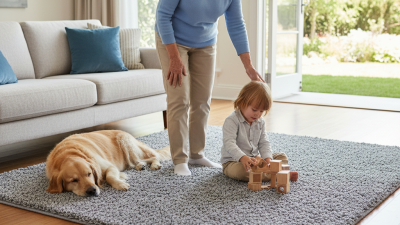
Sustainability also depends on product life. A repairable rug may create less waste than a cheaper rug replaced every two years. Buyers in humid regions often prefer mold-resistant construction and quick-drying fibers. Families with children may choose low-pile geometric designs because they trap less dust. Hospitality buyers usually prioritize stain resistance, color consistency, and replacement availability. In my purchasing reviews, the strongest suppliers provided sample swatches, batch details, test results, and realistic care guidance. Some sellers still describe every product as “eco-friendly,” which weakens trust. A better approach connects each claim to measurable evidence and admits remaining limitations.